Kenilworth Lakefront And Interior Blocks For Buyers
July 23, 2026
July 23, 2026
Wondering whether Kenilworth’s lakefront edge or its interior blocks are the better fit for your next move? In a village this small, the difference is not minor. It can shape how you spend your mornings, how you use your outdoor space, and what kind of homeownership experience you have day to day. If you are comparing Sheridan Road to streets like Melrose, Brier, or Wayland, this guide will help you understand what really changes from block to block. Let’s dive in.
Kenilworth is only about 0.6 square miles, so location decisions here get specific fast. This is not a market where one broad village average tells the whole story.
The housing stock is also unusually consistent in one way and highly varied in another. CMAP estimates that 95.9% of housing units are single-family detached, and 61.2% were built before 1940, with a median year built of 1938. That gives the village a strong residential identity, while still leaving room for very different ownership experiences between the shoreline and the interior grid.
At the market level, public data showed a May 2026 median sale price of $2.36 million, a median price per square foot of $539, and a median of 25 days on market. Those numbers set the backdrop, but in Kenilworth, the real story is often the block-level premium.
Lakefront living in Kenilworth is centered on setting first. On Sheridan Road and the shoreline edge, buyers are often paying for frontage, privacy, views, and outdoor terrain just as much as interior square footage.
Public listing examples show how different those sites can be from the rest of the village. One Sheridan Road property was listed on 0.75 acres as a 4,106-square-foot midcentury modern home, while another was a 7,000-square-foot beachfront home on 0.52 acres with 100 feet of lakefront, a private beach, boathouse, pool, terraces, and a deck overlooking the water.
That range matters because it shows the premium is not tied to one architectural style. In Kenilworth, lakefront value is often driven more by the site itself than by whether the home leans traditional or modern.
Living on the lakefront tends to create a more seasonal rhythm. Beach access and shoreline use become part of your routine, especially from Memorial Day through Labor Day, which the resident handbook identifies as the typical beach season.
The Village also reported Kenilworth Beach open for summer 2026 while some access areas remained under construction. The Beach Improvement Project includes a new bathroom building, an ADA pedestrian ramp, shoreline stabilization, seating, and a new plaza. For buyers, that is a practical reminder that the shoreline is an active part of village life, with access, maintenance, and seasonal conditions worth understanding.
Lakefront homes often come with more complex outdoor circulation. Kenilworth’s zoning code applies different building-placement rules to lots that abut Lake Michigan, which helps explain why these homes may feel more vertical or terraced.
In practical terms, you may see more stairs, decks, retaining elements, and layered outdoor spaces than you would on an interior lot. That can create dramatic views and strong entertaining areas, but it also changes how you evaluate usability from one property to the next.
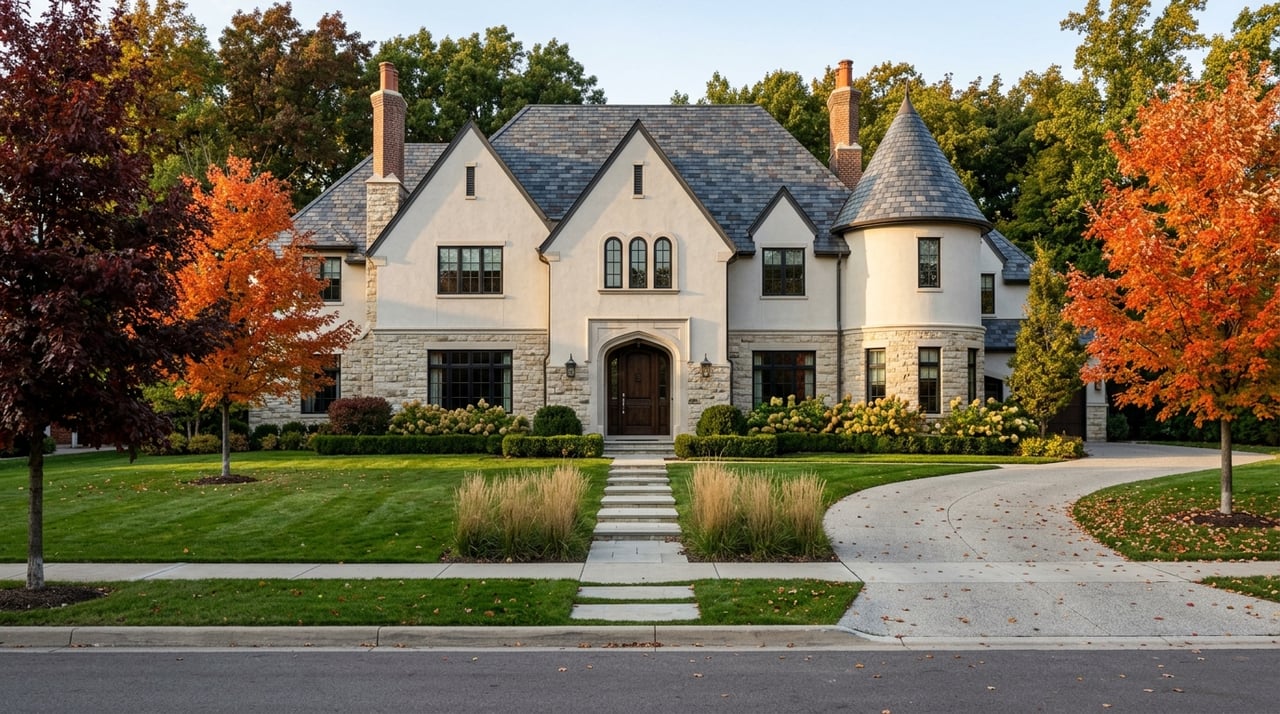
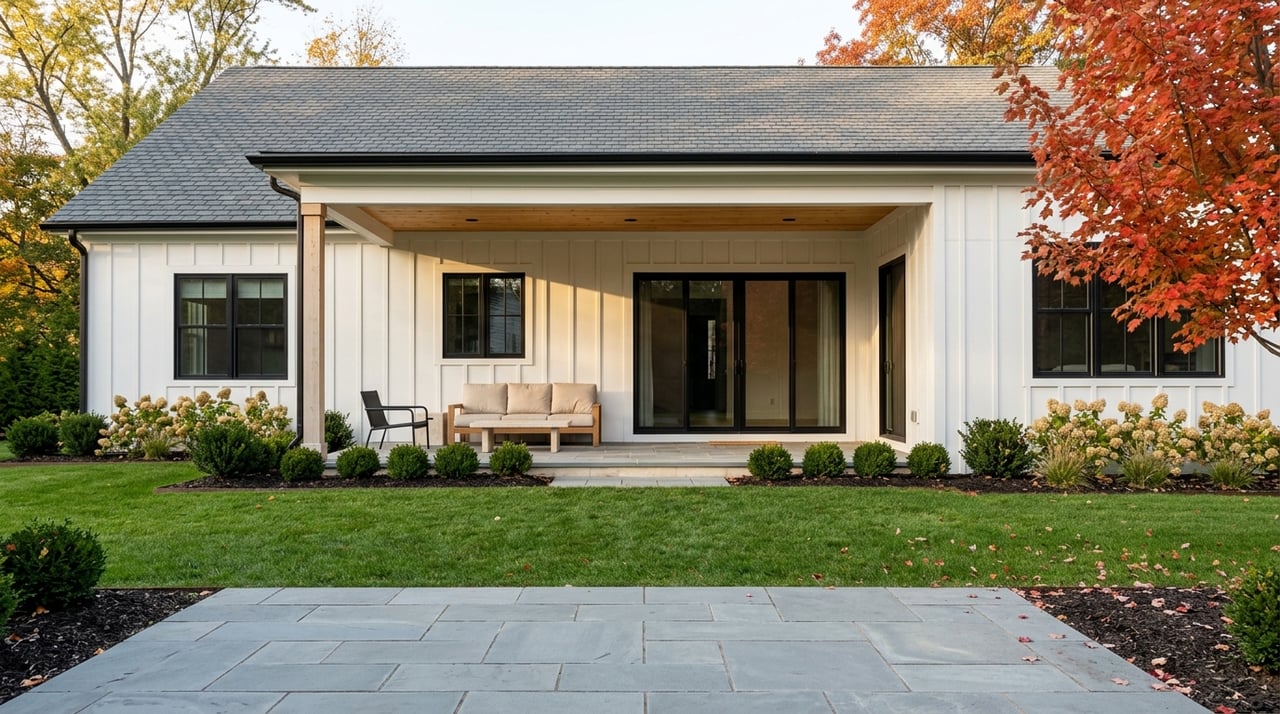
Interior Kenilworth offers a different kind of luxury. Streets like Melrose, Brier, and Wayland tend to feel more rooted in the village grid, with a more conventional front-and-back yard rhythm and easier day-to-day movement.
Public listing examples show that interior properties can still be substantial. Recent examples include a 1908 home on a 6,250-square-foot lot measuring 50 by 125 feet, a 1938 Colonial on a 7,596.86-square-foot lot measuring 50 by 165 feet, and larger 0.4-acre properties that have been rebuilt or expanded into in-town compounds with coach houses, attached garages, and major renovations.
That mix gives buyers a wider range of choices within the village center. Some homes offer historic character with updates, while others offer more extensive renovations and larger footprints without being on the water.
Interior blocks often appeal to buyers who want convenience woven into a quiet residential setting. Kenilworth Station is on Metra’s UP-N line and is fully accessible, and the Village’s Green Bay Road enhancement work is focused on improving both vehicular and pedestrian experiences while strengthening the business district’s sense of place.
Kenilworth’s land-use pattern supports that lifestyle. CMAP reports that 67.2% of the land is single-family residential, with just 1.1% commercial land and no industrial land. So even when you live closer to the station or nearby amenity areas, the feel remains primarily residential.
Interior lots may not offer water frontage, but they often provide simpler yard use and more straightforward outdoor planning. Garages, patios, lawns, and rear-yard entertaining can feel more conventional and easier to navigate.
Kenilworth’s zoning code also helps preserve spacing and an open streetscape. For R-1 interior lots, the code lists a minimum lot area of 15,750 square feet, a minimum width of 90 feet, a 40-foot front yard, and 10-foot side yards. The result is a low-density feel that many buyers associate with Kenilworth’s residential character.
When you compare the two, the right answer usually comes down to how you want your home to function. In Kenilworth, this is less about one option being better and more about which setting matches your priorities.
| Feature | Lakefront blocks | Interior blocks |
|---|---|---|
| Main draw | Water views, frontage, privacy | Village-grid convenience, easier daily flow |
| Outdoor use | Terraces, decks, shoreline-oriented spaces | Lawns, patios, garage utility, traditional yard use |
| Lifestyle rhythm | Seasonal, beach-centered | Commuter- and errand-oriented |
| Architecture | Varies by property, with premium driven by setting | Older homes, renovations, in-town compounds |
| Buyer focus | Large-scale entertaining and private shoreline feel | Simpler maintenance and in-town convenience |
Kenilworth pricing shows a clear location premium layered onto an already high-end market. The village-wide median sale price was $2.36 million in May 2026, but public listing examples show a wide range depending on the block and property type.
On Sheridan Road, public examples included a $6.35 million listing and another property with an $8.71 million Zestimate. On interior blocks, examples ranged from a $990,000 listing on Melrose to a $1.68 million Zestimate for another Melrose property and a $3.79 million Zestimate for a fully renovated interior home.
The takeaway is not that one category always fits one budget. It is that in Kenilworth, buyers are often paying for a combination of site quality, setting, and daily lifestyle fit.
If you are choosing between lakefront and interior blocks, focus on how you want to live in the home, not just how the property looks during a showing. A beautiful shoreline setting and a beautiful in-town compound can serve very different goals.
You may lean toward lakefront if you value:
You may lean toward interior blocks if you value:
In a village this compact, small shifts in location can have an outsized effect on value and livability. That is why block-by-block guidance matters, especially when you are evaluating estate properties or high-value homes with unique site conditions.
If you are weighing Kenilworth’s lakefront edge against its interior blocks, a tailored strategy can save time and sharpen your search. For discreet, informed guidance on North Shore luxury properties, request a private consultation with Jena Radnay.
Stay up to date on the latest real estate trends.
Jena Radnay, and the focus of her real estate business, is all about people. Radnay’s love for real estate, houses, marketing, and people have allowed her business to grow organically, albeit explosively, in large part from referrals from her extensive network of contacts and connections.
Let's Connect