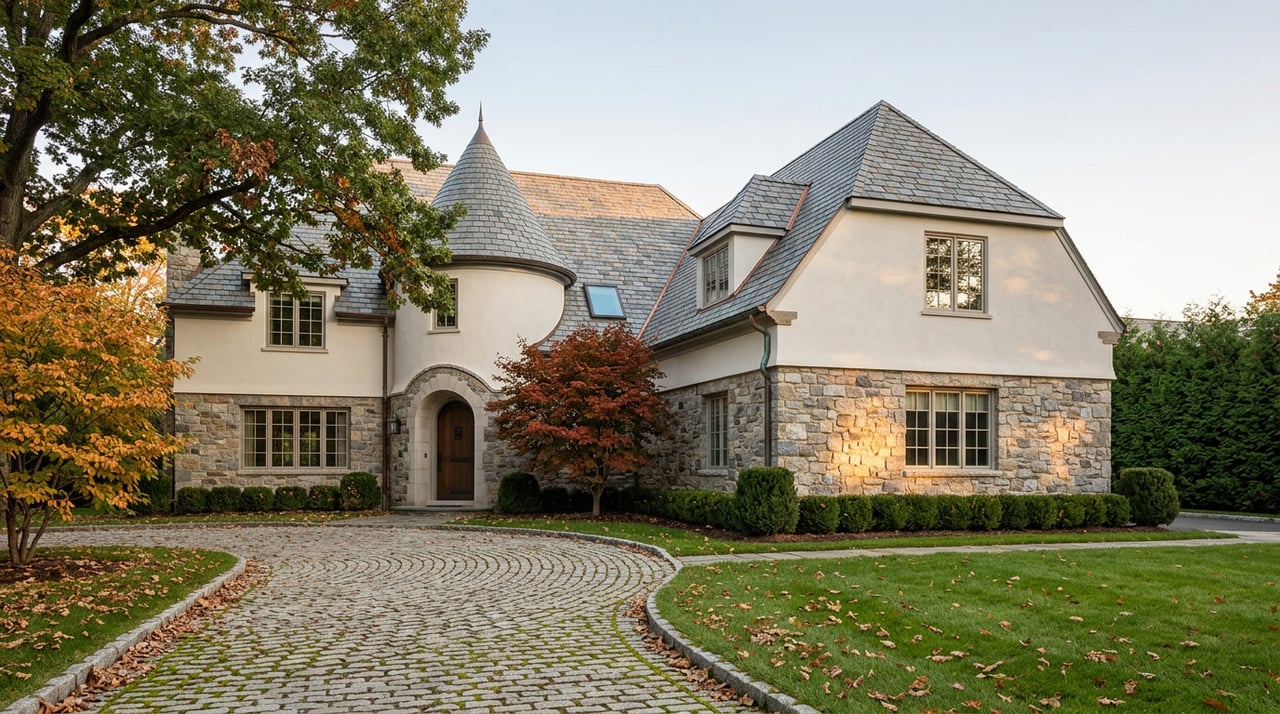
The Glencoe Lakefront Sale That Jumped 60 Percent in a Year, and What It Means for Buyers and Sellers
September 24, 2026
September 24, 2026
In April 2025, a lakefront-area home on Lakewood Drive in Glencoe sold for $9.2 million. Fourteen months later, in June 2026, the same house came back on the market with a "coming soon" banner and a new price: $14.8 million. That is a 60.8 percent increase on a property that had not grown a single square foot in the interim, according to Cook County Clerk records reported by Crain's Chicago Business and The Real Deal.
Less than a mile away, on Longwood Drive, a second estate is asking a similar figure, close to $14 million. But that property has not changed hands in nearly four decades. Same neighborhood, same rough price tag, two completely different stories about what the number is actually built on.
This is not a story about a hot market getting hotter. It is a story about what happens to pricing when a handful of very expensive homes trade so rarely that there is almost no way to check one against another. For anyone comparing Glencoe against other North Shore towns right now, that distinction matters more than any single median price you will find on a portal search.
Across all of 2025, the North Shore-Barrington Association of Realtors counted 112 detached home sales in Glencoe, at a median sold price of $1.7 million and an average of 41 days on market. That is a real number, built on real transaction volume, and it is a reasonable guide if you are shopping in the $1 million to $3 million range that makes up most of the village's activity.
It tells you almost nothing about a $9 million or $14 million estate.
As of the week of September 13, 2026, Altos Research put Glencoe's median list price at $2,912,000, with its Market Action Index at 36, down from 41 the month before, as active inventory rose to 22 homes. Even that figure, sitting well above the 2025 sold median, is still describing the middle of the market, not the top of it. A village with only 22 active listings and roughly 112 annual sales simply does not generate enough true lakefront transactions in a given year to build a reliable comp set the way it can for a colonial three streets inland.
When only one or two comparable estates trade in a year, each sale does not confirm the market. It sets it, at least until the next one comes along and either confirms or contradicts it. That is what makes the Lakewood Drive relisting so useful as a case study. The seller is not pricing against a distribution of recent sales. They are pricing against a market that barely exists yet, betting that the next buyer will accept a number nobody has actually paid for a comparable house.
| Property | Last known sale | Current ask | Ownership pattern |
|---|---|---|---|
| 21 Lakewood Drive | $9.2 million, April 2025 | $14.8 million, listed June 2026 | Recently acquired and renovated |
| Longwood Drive estate | Not recently sold | Approximately $14 million | Same family for nearly 40 years |
The Lakewood Drive number is a bet. It reflects a fast turnaround, a renovation, and a seller testing how much more the market will absorb in barely over a year. The Longwood Drive number carries none of that recent transaction history to lean on. Its owners have no comparable sale of their own to point to, which means their asking price is doing even more guesswork, informed mostly by what is happening down the street rather than anything in their own sales history.
Neither number is wrong, exactly. Both are simply less anchored than a portal's "comparable sales" tab would suggest.
There is a second wrinkle in the Lakewood Drive story that buyers in this price range consistently miss. According to the same reporting, the home is marketed with lakefront positioning but does not include direct beach access. That single fact changes what the price is actually buying, and it is not something a listing photo or a square footage figure will tell you.
Glencoe's lakefront inventory runs across a real spectrum:
Two listings can carry nearly identical price tags and describe themselves with the same language while delivering fundamentally different products. This is one reason the village's own lakefront and ravine housing patterns require more scrutiny than the marketing copy alone provides. Before treating any asking price as a benchmark, confirm in writing exactly what access the property includes. It is one of the few questions in this segment with a clean, factual answer, and it is worth asking before the price becomes the anchor for your own thinking.
The broader lakefront tier backs up what the Lakewood Drive sale suggests. Two Winnetka lakefront homes sold for more than $30 million in 2025, according to the same Crain's and Real Deal reporting, a scale that puts even Glencoe's $14 million asks in context. Across the North Shore, the very top of the lakefront market has been moving fast, while the broader, higher-volume tiers underneath it keep a far more ordinary rhythm of 41-day sales and low-$2-million medians.
If you are a buyer using median price or average days on market to compare Glencoe against Winnetka, Wilmette, or Kenilworth, you are comparing the wrong layer of each market. The medians describe the volume tier. The handful of true lakefront estates in each village behave more like individual art auctions than like a housing market with predictable pricing logic. That does not mean the numbers are meaningless. It means they answer a different question than the one a lakefront buyer is actually asking.
For sellers holding a genuine lakefront property, the practical takeaway is similar. Pricing against the two or three most recent legitimate lakefront sales, rather than against a portal's automated median, is the only approach that reflects how thin this segment really is. It is also why a discreet, carefully sequenced marketing process matters more here than in the broader market. A property that sits publicly for months at an aspirational price does more damage to eventual value than one tested quietly against a smaller, qualified pool first. Our seller's guide walks through how that kind of positioning works in practice, and a current home valuation is the right starting point before settling on a number in a market this comp-poor.
For buyers, the same thinness cuts the other way. If you are shopping the Glencoe lakefront or considering a renovation or teardown on an existing lakefront lot, treat any asking price above $8 million as a hypothesis rather than a comp-backed figure. Ask directly about beach access. Ask how long the current owner has held the property and why. Those two questions will tell you more about whether a price is grounded in anything real than a dozen automated market reports.
Does Glencoe's reported median home price include estates like the ones on Lakewood or Longwood Drive? No. The 2025 median of $1.7 million and the current $2.9 million list-price figure both reflect the village's broader detached-home activity. With only a handful of true lakefront sales in a given year, those transactions barely register in a village-wide average.
How can I tell whether a "lakefront" listing actually includes beach access? Ask the listing agent directly and get the answer in writing before treating the property as comparable to others in its price range. Reporting on the Lakewood Drive sale makes clear that lakefront marketing language and direct beach access are not the same thing, and the difference is not always obvious from photos or a property description.
If comps are this thin, how do you price a true Glencoe lakefront estate accurately? By weighting recent, specific, apples-to-apples transactions over village-wide medians, and by testing the number with a qualified pool before it becomes public record. A private consultation is a better first step than a portal estimate in a market this concentrated.
The North Shore's lakefront tier rewards patience and precision more than any other segment on the market right now. If you are evaluating a Glencoe property at either end of that range, Jena Radnay can walk through the real comp set behind the asking price, not just the headline number. Request a Private Consultation to start with a clear picture of where your property, or the one you're considering, actually stands.
Stay up to date on the latest real estate trends.
Jena Radnay, and the focus of her real estate business, is all about people. Radnay’s love for real estate, houses, marketing, and people have allowed her business to grow organically, albeit explosively, in large part from referrals from her extensive network of contacts and connections.
Let's Connect