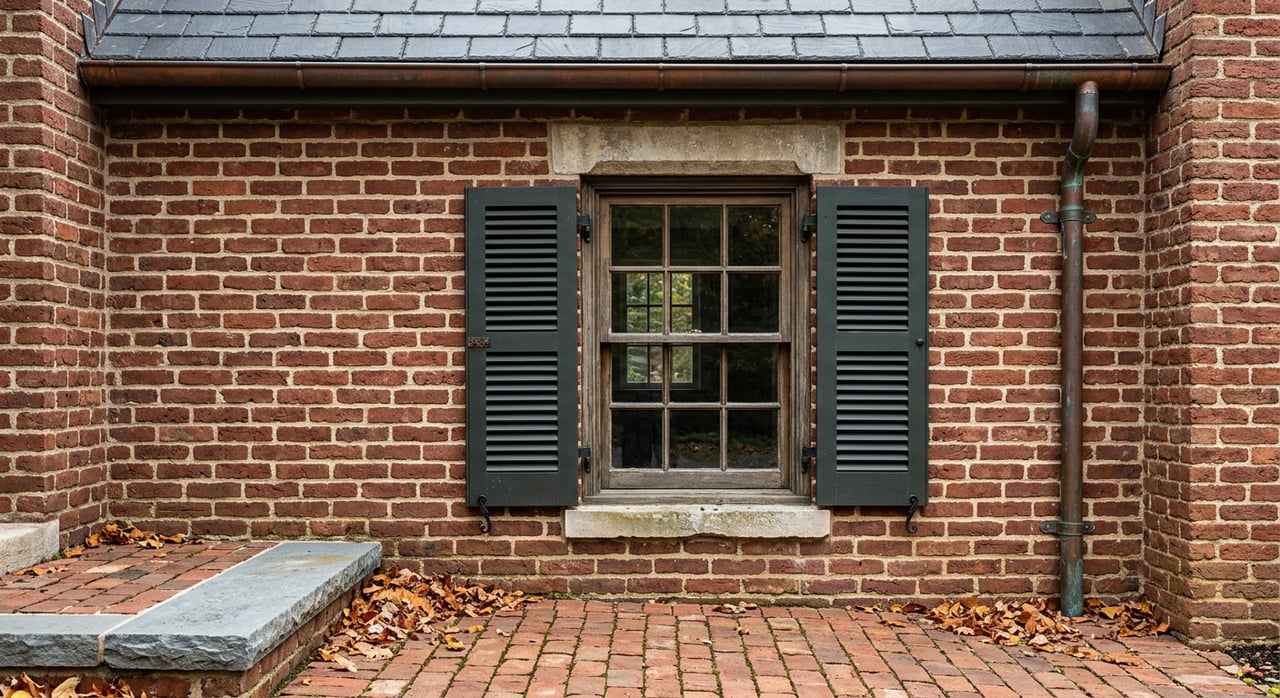
Restore Or Rebuild? A Glencoe Luxury Property Guide
April 16, 2026
April 16, 2026
If you own a luxury home in Glencoe, one question can shape everything from your budget to your timeline: should you restore what is there, or start over with a rebuild? In a village known for architectural character, historic homes, and strong demand, the right answer is rarely one-size-fits-all. This guide will help you weigh preservation rules, market realities, and renovation economics so you can make a more confident property decision. Let’s dive in.
In Glencoe, restore versus rebuild is not just a design choice. It is also a zoning, preservation, and resale question. The village’s planning framework emphasizes protecting community character while allowing development that fits its surroundings, with historic character, housing variety, and compatibility called out as key goals in the adopted planning materials from All in Glencoe.
That matters because Glencoe has an unusually deep architectural legacy. According to the Glencoe Historical Society’s Wright in Glencoe resources, the village has 13 surviving Frank Lloyd Wright structures and the third-largest concentration of Wright designs in the world. In a setting like this, a home’s original architecture can carry real value beyond square footage alone.
At the same time, the market remains highly competitive. A recent Glencoe market overview reported a December 2025 median home price of $2,395,000, 28 homes for sale, a 102% sale-to-list ratio, and seller’s market conditions. That combination means buyers may pay a premium for the right property, but they are also likely to be selective.
Before you compare renovation bids or sketch a new floor plan, you need to understand what the village may require. In Glencoe, rules tied to preservation and zoning can significantly affect whether restoration, expansion, or teardown is realistic.
For certified landmarks and properties in certified historic districts, Glencoe requires a certificate of appropriateness before exterior alterations, demolition, signage changes, or other physical modifications. The process includes an application, a public hearing, and appeal rights to the board of trustees under the village’s historic preservation code.
If demolition is proposed for a certified property, the commission can postpone action for up to 12 months after the hearing while alternatives are considered. For honorary-status properties, Glencoe uses an advisory review process, and an applicant generally cannot opt out until 120 days after filing a demolition permit, with the board able to add up to 30 more days under the village’s demolition review rules.
That does not mean demolition is impossible. It does mean your timeline, carrying costs, and planning strategy may look very different from what you would expect in a less regulated market.
Glencoe’s building code requires a permit to enlarge, alter, demolish, or change the exterior architectural appearance of a certified landmark or a property in a certified historic district. The code also states that demolition permit applications must notify adjoining owners, and that no fee is required solely because the historic-preservation permit section applies, according to the village’s building code provisions.
For luxury owners, this is a reminder that process matters almost as much as design. A well-planned project team can help you evaluate approvals early, before you commit to a path that becomes slower or more expensive than expected.
Even if your home is not formally protected, older houses in Glencoe can still run into zoning friction. The village’s zoning code allows flexibility on setbacks, height, lot area, lot width, lot coverage, gross floor area, and certain nonconforming conditions, and it allows added variation when needed to restore historically or aesthetically important features of certified landmark or historic-district properties under the village zoning code.
Village reporting from 2024 noted that setback-reduction and floor-area-increase variations were among the most common requests, with setback-plane variations often tied to older homes, as outlined in the Q2 2024 department report. In practical terms, that means a major addition or replacement home may require more zoning work than you first assume.
Restoration or selective renovation usually makes the most sense when the home already has meaningful architectural identity and can be updated without stripping away the features that give it value. In Glencoe, that can be especially important if a property may qualify for landmark or honorary review or if its original design is a major part of its appeal.
A restored home can offer something many buyers want: character with improved function. The 2025 NAR Remodeling Impact Report notes that homeowners remodel for worn-out finishes, energy efficiency, lifestyle changes, and future resale, and it found that 46% of buyers are less willing to compromise on a home’s condition. In other words, buyers may appreciate original architecture, but they still want a property that feels well cared for and usable.
Restoration may be the stronger path if your home has:
In many cases, the goal is not to freeze the house in time. It is to preserve the features that make it memorable while updating the rooms that matter most to daily living and resale.
A teardown and new build can make more sense when the existing structure is severely compromised, the floor plan is too constrained for today’s expectations, or the house would require extensive relief to become what you want. For some properties, preserving the shell creates more compromise than value.
Glencoe’s code does allow nonconforming structures to be repaired, rebuilt, or replaced after demolition, but it limits the creation or worsening of nonconformities without a variation under the village’s nonconforming structure rules. So while rebuilding may solve layout and systems issues, it does not eliminate the need to study setbacks, bulk, and lot constraints.
A rebuild may deserve serious consideration if your property has:
In the luxury segment, new construction can be compelling. Still, it works best when the numbers, approvals, and eventual market positioning all support the investment.
One of the biggest mistakes sellers make is assuming every expensive upgrade will come back at resale. The data suggests otherwise, especially for highly customized luxury work.
According to Chicago’s 2025 Cost vs. Value data, a major upscale kitchen remodel costs about $161,499 and recoups roughly 35.7% at resale. An upscale bathroom remodel recoups about 41.7%, and an upscale primary suite addition about 18%.
By contrast, a midrange kitchen remodel recoups about 50.9%, and a minor kitchen remodel about 94.4%. NAR also notes that its assumptions are based on typical-quality work, not top-tier luxury materials, so the figures are best used as a baseline rather than an exact forecast for a Glencoe estate home.
The takeaway is simple: the more customized and expensive the project, the more it tends to be about your lifestyle rather than full resale recovery. Smaller, visible, high-impact upgrades often recover a larger share of their cost. That does not mean luxury buyers ignore premium finishes. It means you should be careful about over-improving in ways the next buyer may not value at the same level.
For many Glencoe luxury properties, the best answer is neither full restoration nor full teardown. It is a selective renovation or addition that preserves the home’s architectural identity while improving the spaces buyers notice first.
This middle path aligns well with Glencoe’s preservation framework, zoning flexibility for certain historic features, and the reality that buyers care deeply about condition. It can also reduce entitlement risk compared with a full demolition while avoiding the cost and complexity of rebuilding everything from scratch.
In practice, that often means focusing on:
For many luxury sellers, this approach strikes the best balance between enjoyment, marketability, and risk.
If you are weighing restore versus rebuild in Glencoe, start with these questions:
The clearer your answers, the easier it becomes to match the property to the right strategy.
In a market like Glencoe, luxury real estate decisions are rarely just about construction cost. They are about timing, approvals, design integrity, future buyer appeal, and the value of the lot itself. That is why restore versus rebuild should be evaluated as both a property decision and a resale-positioning decision.
If you are considering a sale, purchase, or pre-listing improvement plan for a Glencoe property, working with an advisor who understands North Shore luxury positioning can help you avoid expensive missteps. For a private, strategic conversation about your options, connect with Jena Radnay.
Stay up to date on the latest real estate trends.
Jena Radnay, and the focus of her real estate business, is all about people. Radnay’s love for real estate, houses, marketing, and people have allowed her business to grow organically, albeit explosively, in large part from referrals from her extensive network of contacts and connections.
Let's Connect