A Day Living Car-Free In Walkable Wilmette
June 25, 2026
June 25, 2026
You do not need a packed itinerary or a car to enjoy one of Wilmette’s most appealing lifestyle perks. In the right part of town, you can spend a full day walking to coffee, browsing a market, stopping into local shops, and ending at the lake. If you are exploring North Shore communities and want to understand how daily life really feels here, this guide shows you where a car-free day in Wilmette works best. Let’s dive in.
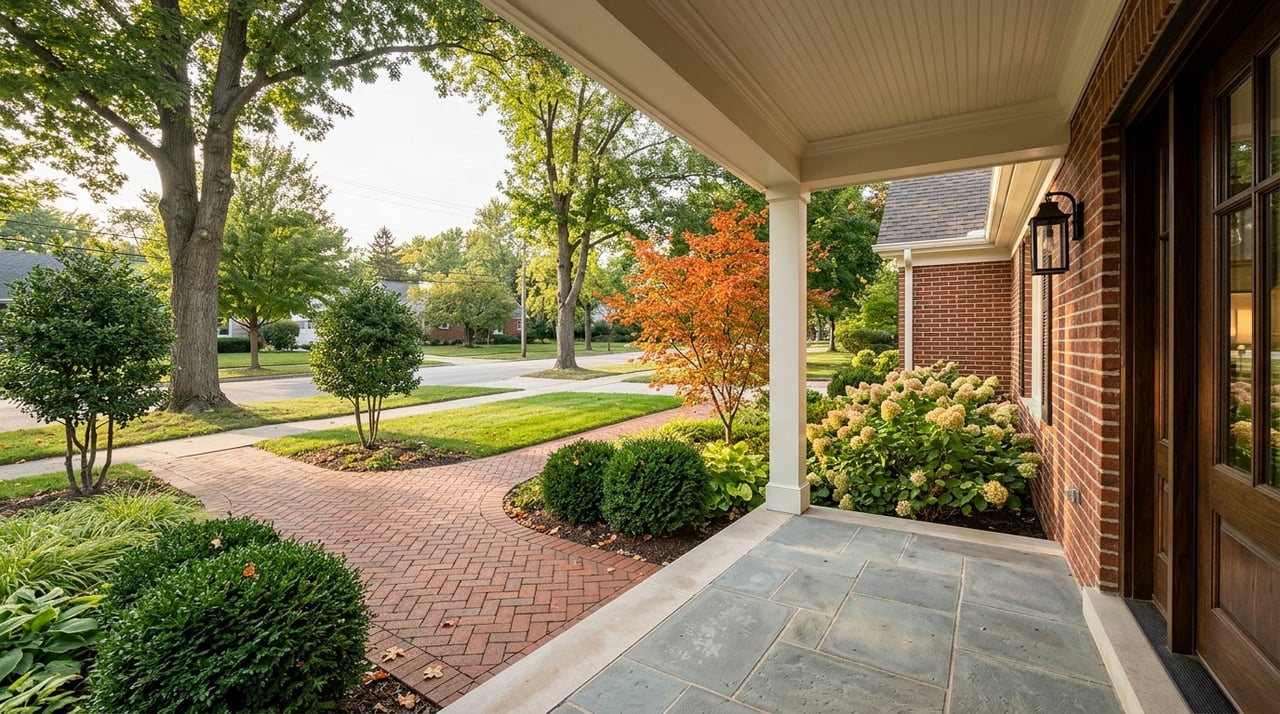
If you want the most convincing version of a walkable Wilmette day, focus on the east-side core. The Village Center sits east of Green Bay Road around the Metra station, and the village describes it as the community’s central business district with restaurants and specialty stores.
That same area is also where the walkable feel becomes most tangible. Wilmette’s 2024 comprehensive plan says Downtown Wilmette has a Walk Score of 79, which it describes as very walkable, while the village overall scores 58, or somewhat walkable.
That distinction matters if you are home shopping with lifestyle in mind. A car-free day is very realistic in the Village Center, lakefront, and Linden Square corridor, but it is better not to assume every part of Wilmette feels equally compact.
A natural starting point is the station area in Downtown Wilmette. The village notes that public transportation helps support convenience and accessibility here, which is part of why the district feels active and easy to navigate on foot.
This is the kind of place where your morning can unfold without much planning. You can begin with coffee, walk a few blocks, browse local businesses, and settle into a slower pace that feels more like a neighborhood routine than a special outing.
The village also describes the Village Center as home to many restaurants and specialty stores. That gives the downtown its everyday usefulness, not just its charm.
If you want the best car-free rhythm, Saturday is the clear choice. The Wilmette French Market runs from 8 a.m. to 1 p.m. on Saturdays in season at the Metra parking lot just east of the Wilmette Metra Station.
That market setup makes the morning easy to picture. You can arrive by train, start with a coffee, walk the market, and then continue your day without moving your car because you never needed one in the first place.
For buyers comparing North Shore communities, this kind of weekly pattern says a lot. It shows you how the built environment supports real daily habits, not just occasional events.
After the market or a downtown coffee stop, you can keep the day going on foot through Wilmette’s nearby business nodes. The Village Center remains the main anchor, but it is not the only one that shapes the area’s weekend feel.
Linden Square, to the east toward Lake Michigan, offers shopping and services that serve neighborhood residents and Purple Line commuters. Plaza del Lago adds another shopping and dining destination, while Ridge Road is known for locally owned restaurant, retail, and service businesses.
The key here is not speed. It is variety within a compact area. That is what helps a car-free day feel comfortable rather than limiting.
Every good Wilmette walking day needs a payoff, and the lakefront is a strong one. Gillson Park is the natural destination when you want to trade storefronts for open space and water views.
The Wilmette Park District maintains 314 acres of parks, and Gillson Park stretches along 2.5 miles of Lake Michigan shoreline. That gives the community a rare amount of accessible outdoor space close to the downtown and station-area core.
Wilmette’s 2024 comprehensive plan adds another helpful point: 97% of properties are within a half-mile, or about a 10-minute walk, of a park, recreation center, or other open space. If outdoor access matters to your lifestyle, that number helps explain why the village often feels so livable.
Gillson Park works whether you want an active stop or a quiet one. The park includes picnic areas, lighted tennis courts, a fitness course, a tot lot, kayak, stand-up paddleboard, and sailboat rentals, along with a dog beach, Lakeview Center, Wallace Bowl, and a seasonal lighted ice rink.
That range of amenities makes the park useful across seasons. On one visit, you may simply walk the lakefront. On another, you might build your afternoon around the beach, a family outing, or time outside with your dog.
Gillson Park is open daily from 6 a.m. to 10:30 p.m., with beaches closing at 9 p.m. During beach season, swimming and lifeguards are available at Gillson Main Beach, South Beach, and Langdon Beach.
A car-free day feels best when the practical details are easy. At Gillson, Lakeview Center indoor restrooms are available year-round Monday through Friday from 9 a.m. to 5 p.m., while beach restrooms and portable facilities are available during the warmer months.
If you are bringing a dog, Gillson Park allows dogs on leash. The off-leash Dog Beach requires a season pass rather than a day pass, which is worth knowing before you go.
Small details like these may seem minor, but they shape how relaxed a day actually feels. When a place supports simple planning, it becomes easier to imagine living there.
One reason this part of Wilmette works well without a car is its transit access. The village says Wilmette is served by Metra, CTA rapid transit, and Pace bus service.
For many residents and visitors, that means you can arrive without driving and still move around comfortably. CTA’s accessible Linden Purple Line station at 349 Linden Avenue includes sheltered bike parking and Park & Ride, and it connects with Pace routes 421, 422, and 423.
Pace also lists Wilmette routes 213, 421, 422, and 423. CTA says the Purple Line runs between Linden in Wilmette and Howard in Chicago, with weekday rush-period express service continuing into the Loop.
If you like a little more range, biking makes the car-free story even stronger. Wilmette’s comprehensive plan says the Green Bay Trail has its southern trailhead in Wilmette and runs 8.9 miles north to Glencoe.
The Village Center Master Plan also notes that downtown has central access to the Green Bay Trail. In practical terms, that means walking can handle the core of your day, while biking can extend it without making the experience car-dependent.
For many buyers, that combination is especially appealing. You are not just relying on one mode of movement. You have options that support both convenience and leisure.
A thoughtful Wilmette guide should also be clear about limits. The Village Center Master Plan notes that Green Bay Road itself is not especially pedestrian-friendly, so the best walking experience is not a random route along every major corridor.
Instead, think of the strongest car-free version of Wilmette as a triangle. It is centered on the station area, the Village Center, and the lakefront, with Linden Square adding another useful piece of the lifestyle picture.
That kind of nuance matters when you are choosing where to live. Even in a highly desirable community, walkability can vary a lot by exact location.
For many North Shore buyers, lifestyle is not measured only by square footage or finishes. It is measured by how your weekends unfold, how easily you can reach daily essentials, and whether your home connects to the routines you value.
A car-free day in Wilmette offers a simple test. If you can picture yourself walking to the market, browsing local businesses, heading to the lake, and returning home with ease, you are seeing something important about the community’s day-to-day appeal.
That does not mean every home in Wilmette delivers the same experience. It means location within the village matters, and the east-side core offers one of the clearest examples of a connected North Shore lifestyle.
If you are weighing Wilmette against other North Shore options, it helps to look beyond the listing sheet. The real question is how a home supports the life you want to live once you are there.
If you are exploring Wilmette or other North Shore communities and want a more tailored perspective on location, lifestyle, and long-term value, Jena Radnay offers the kind of local guidance that helps you move with clarity and confidence.
Stay up to date on the latest real estate trends.
Jena Radnay, and the focus of her real estate business, is all about people. Radnay’s love for real estate, houses, marketing, and people have allowed her business to grow organically, albeit explosively, in large part from referrals from her extensive network of contacts and connections.
Let's Connect