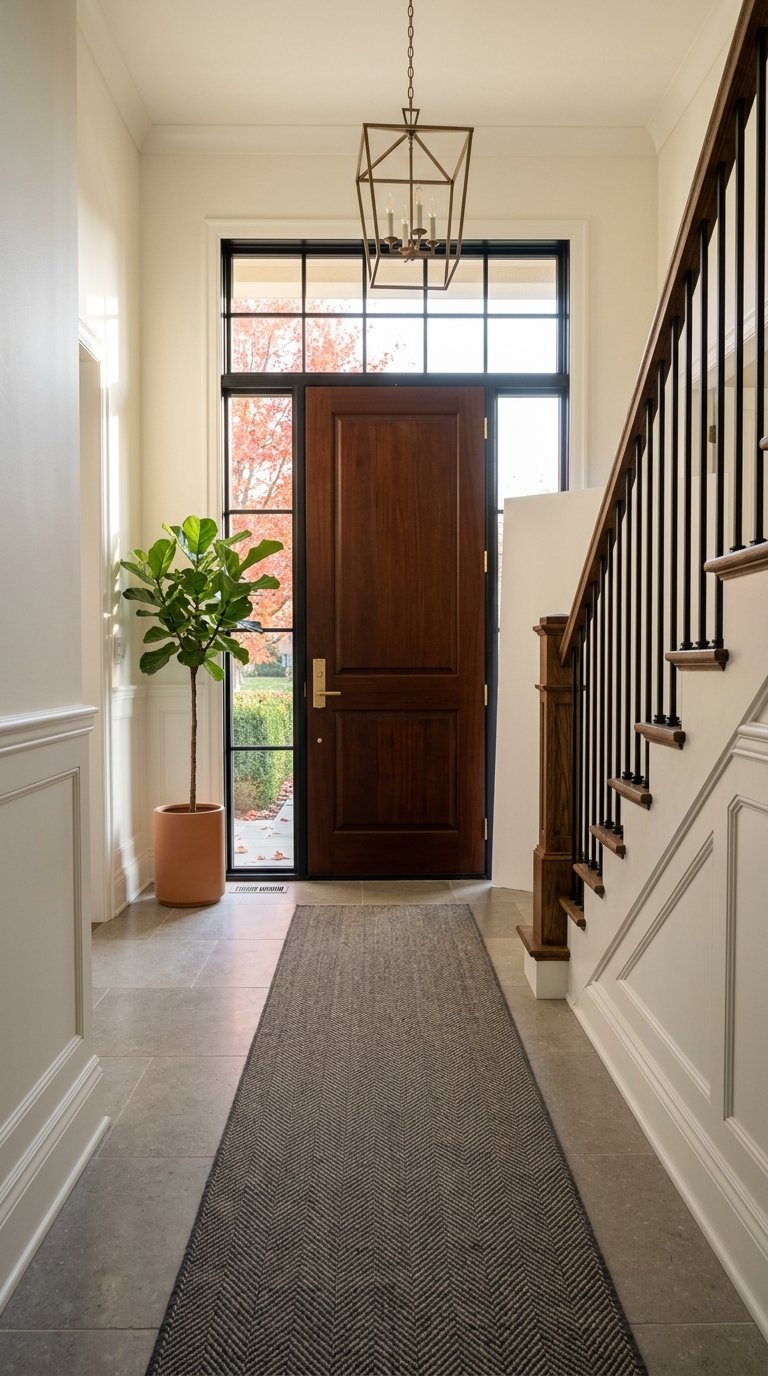
Choosing Between Vintage And New Homes In Wilmette
July 2, 2026
July 2, 2026
If you are home shopping in Wilmette, the choice between a vintage home and a newer one is rarely simple. In a village known for architectural character, limited inventory, and steady demand, you are often weighing charm, condition, future work, and long-term value all at once. The good news is that with the right framework, you can compare these options with much more clarity. Let’s dive in.
Wilmette is not a market where one housing type dominates every decision. Village data shows a mature housing stock, with about 30% of homes built in 1939 or earlier, which helps explain why vintage properties remain such a meaningful part of the local market.
At the same time, inventory is tight. Wilmette reported a 0.3% homeowner vacancy rate in 2024, and the median home sale price rose from $658,500 in 2020 to $1,122,500 in 2025. That means you are often choosing among scarce options, not waiting for a perfect home type to appear.
In practical terms, buyers near Wilmette Golf Course may find themselves comparing a classic older home, a renovated property, and a newer build within the same search. That mix is part of what makes this decision so important and so local.
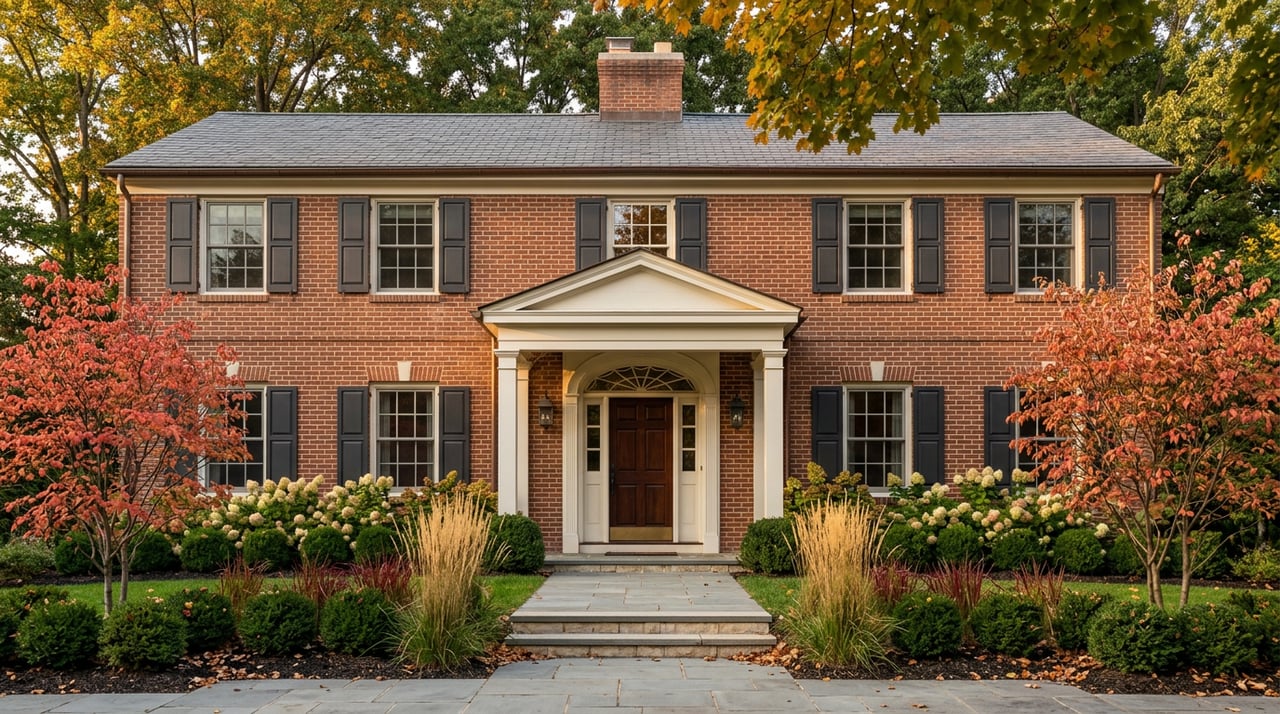
Vintage homes in Wilmette often stand out for their architecture and setting. Village preservation materials describe a community shaped by single-family homes, tree-lined streets, brick-paved streets, period street lights, and a broad range of architectural styles, including Queen Anne, Prairie School, Tudor Revival, Georgian Revival, and Colonial Revival.
For many buyers, that appeal is emotional as well as practical. A vintage home can offer distinctive design, mature landscaping, and a strong sense of place that is difficult to replicate in brand-new construction.
Older housing also plays a broader role in Wilmette’s market. Village housing analysis notes that older homes, especially pre-1940 multifamily buildings and some mid-century owner-occupied homes, have long been part of the village’s more attainable housing stock. Even at the upper end of the market, that history affects how buyers think about renovation potential and value.
If you are considering an older home, it is important to understand whether it has any historic designation. Wilmette has 38 local landmarks and 3 National Register Historic Districts, and those designations do not work the same way.
For a local landmark, exterior work requires a Certificate of Appropriateness before you begin. The Historic Preservation Commission reviews proposals to alter or demolish landmarks, and the village can issue a stop-work order if work starts without approval.
By contrast, National Register listing is honorific. On its own, it does not automatically protect a property from demolition or inappropriate alterations.
A well-kept older home may still need work behind the walls. The U.S. Department of Energy notes that many older homes have less insulation than homes built today, and that windows can account for 25% to 30% of residential heating and cooling energy use.
That does not mean a vintage home is a poor choice. It does mean you should look closely at insulation, air sealing, windows, and heating and cooling systems if comfort and operating costs matter to you.
Wilmette’s Green Homes Incentive Program adds a useful local angle here. The program subsidizes weatherization, insulation, window replacement, heat pumps, heat pump water heaters, solar panels, and geothermal systems, which may help buyers think more strategically about improvements.
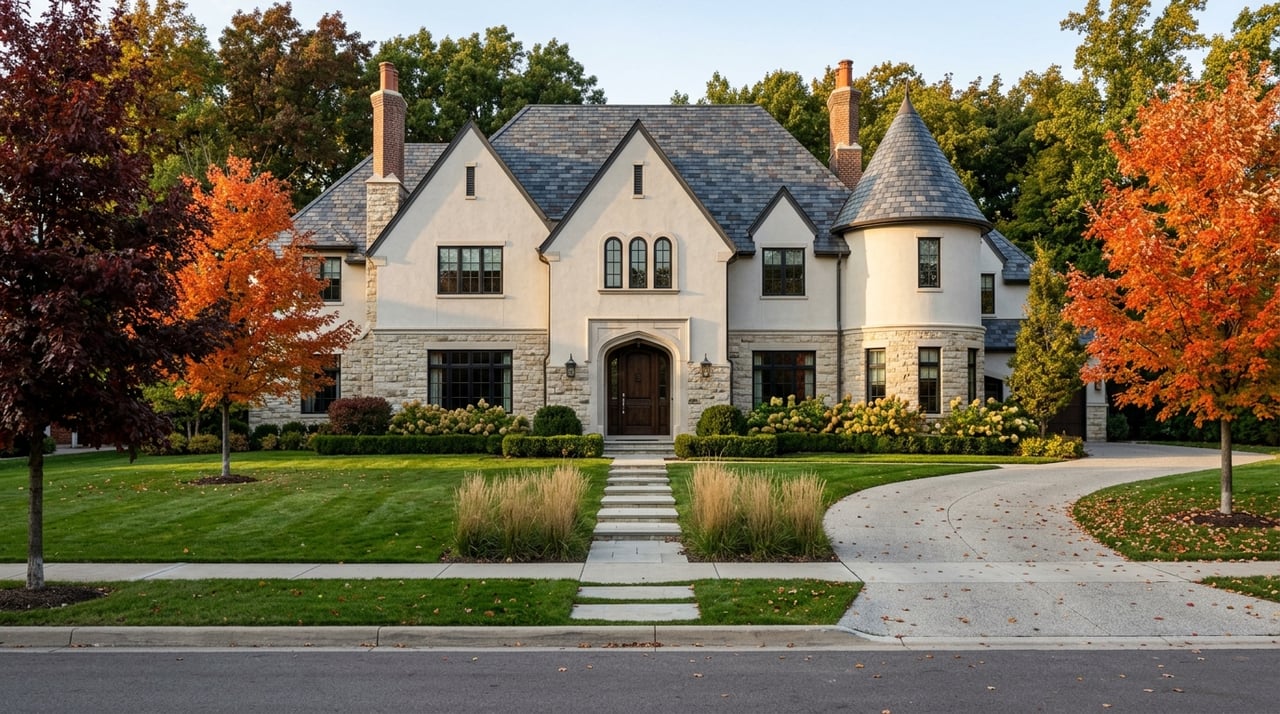
New construction and fully updated homes often appeal to buyers who want more predictability. In many cases, you are getting a stronger efficiency baseline, newer systems, and fewer immediate projects after closing.
The Department of Energy notes that virtually all new efficient buildings use double- or triple-glazed windows, while single glazing remains common in older buildings. That difference can affect comfort, noise control, and energy performance.
For some buyers, that convenience carries real value. If your priority is move-in readiness, a newer or extensively updated home may reduce the number of near-term decisions you need to make.
A new home is not automatically the easier option in every sense. In Wilmette, construction is subject to a detailed local process, and that process matters if you are buying a newly built home or considering a major addition.
For construction involving excavation deeper than 3 feet or more than 100 square feet, the village requires an approved site development plan before a building permit is issued. That plan must show fencing, silt fencing, tree protection measures, and related site controls.
Wilmette’s construction handbook also notes that new homes are subject to applicable building codes and contractor licensing. The village inspection process for new homes includes pre-construction or pre-demolition tree review, footings, foundation and drain tile, surveys, and framing and plumbing rough inspections.
If you are looking at a newer home, it is reasonable to confirm that the required engineering and final grading approvals were completed. A clean construction history can make ownership feel more straightforward.
In Wilmette, trees are not a minor detail. The village requires a tree removal permit for any private tree 6 inches DBH or larger, and the 2026 tree regulations manual requires a tree survey and tree protection plan before demolition, new construction, or certain large additions.
That matters whether you are buying a project property or a recently rebuilt one. Lot potential is shaped not only by house size, but also by the site rules that apply to it.
In many Wilmette searches, the real choice is not strictly old versus new. It is often between a sensitively renovated classic, a fully updated home, and a project property.
That middle category can be especially attractive. A thoughtfully updated home may preserve original architecture while addressing windows, insulation, roofing, drainage, or structural needs through permitted work.
In a village where teardown and rebuild activity remains active, this hybrid option can offer a strong balance. You may get more character than a brand-new house and more predictability than a full renovation project.
When you are choosing between vintage and new in Wilmette, the best approach is to compare each home through the same set of questions.
Start by asking whether the home is a local landmark or located in a National Register district. That distinction can affect what exterior changes require review and how much flexibility you may have over time.
Look into prior permits for additions, windows, roofing, drainage, and structural work. Permit history can help you understand what has already been improved and whether major updates were handled through the proper village process.
If you are considering a property that needs work, ask whether your plan would trigger a site development plan, tree protection plan, or tree removal permit. These are important local checkpoints, not minor paperwork items.
For older homes especially, review what remains to be done for insulation, air sealing, windows, and HVAC-related improvements. Also ask whether any planned upgrades may align with Wilmette’s Green Homes Incentive Program.
If the home is newer, confirm that inspections, engineering, and final grading approvals were completed. A home that looks turnkey should also have a clear administrative trail behind it.
If you value architectural detail, established streetscapes, and the possibility of tailoring a home over time, a vintage property may be the right fit. In Wilmette, that choice can bring both lasting appeal and a more involved ownership path.
If you want cleaner systems, better baseline efficiency, and fewer early maintenance surprises, a newer or fully updated home may make more sense. That can be especially appealing if your timeline is tight or your priority is a smoother move-in.
If you want a balanced option, an updated classic may offer the most compelling middle ground. In this market, those homes often check boxes on both style and livability.
The key is not deciding that one category is universally better. It is understanding which tradeoffs feel worthwhile for your goals, your budget, and the kind of ownership experience you want.
Buying in Wilmette often means making a nuanced choice in a competitive setting. If you want experienced guidance comparing vintage homes, updated properties, and newer construction on the North Shore, Jena Radnay can help you evaluate the details with discretion and clarity.
Stay up to date on the latest real estate trends.
Jena Radnay, and the focus of her real estate business, is all about people. Radnay’s love for real estate, houses, marketing, and people have allowed her business to grow organically, albeit explosively, in large part from referrals from her extensive network of contacts and connections.
Let's Connect