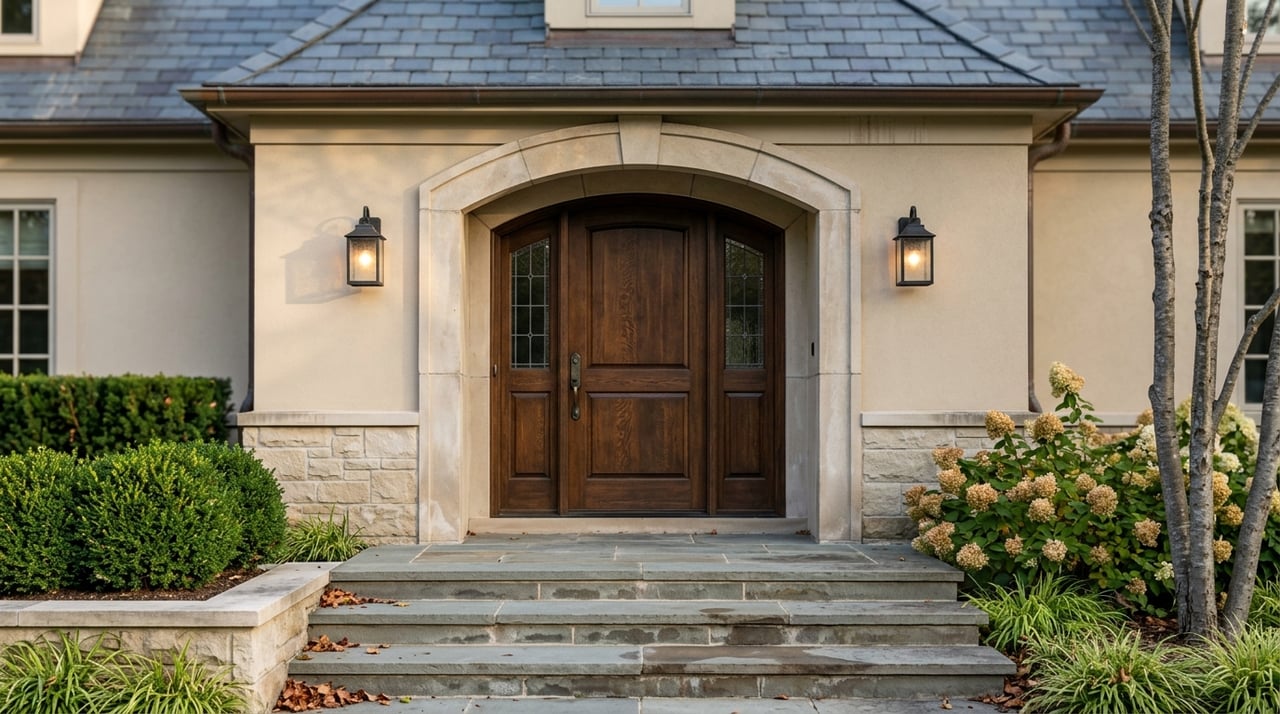
Strategic Pricing For Winnetka Luxury And Lakefront Homes
June 18, 2026
June 18, 2026
If you own a luxury or lakefront home in Winnetka, pricing is not a simple matter of picking a number above the town average and waiting for the right buyer. In this market, small differences in frontage, acreage, bluff conditions, landmark status, and redevelopment potential can shift value in a meaningful way. The good news is that a smart pricing strategy can help you protect both your upside and your momentum. Let’s dive in.
Winnetka remains one of the North Shore’s premium markets, but the headline numbers vary depending on the source and time period. Recent public snapshots ranged from about $1.88 million average home value to a $2.2 million median listing price, while MRED’s trailing 12-month update showed a $2.021 million median sales price and a $2.74 million average sales price in April 2026.
Those figures are useful for context, but they are not interchangeable. They reflect different methodologies and time frames, which means they should be treated as directional rather than definitive for any one property.
That distinction matters even more at the top of the market. Recent Sheridan Road sales ranged from $12 million to $31.25 million, which is a clear reminder that one pricing formula cannot be applied to every Winnetka luxury or lakefront home.
A community-wide median can help you understand broad market position, but it does not price a trophy property. A lakefront estate, a landmark residence, and a newly built in-town luxury home may all sit in Winnetka, yet they appeal to different buyers and carry different practical considerations.
The Appraisal Institute notes that the best comparable sales are the ones most similar in location, size, condition, and the features buyers believe affect price. For a high-end Winnetka seller, that usually means recent sold, pending, and active competition within the same luxury segment matters far more than a general North Shore benchmark.
In Winnetka, location means more than an address. Buyers often weigh lakefront position, street presence, privacy, view corridors, lot size, usable outdoor space, and how the site functions day to day.
A property with strong frontage, practical access, and meaningful outdoor utility may command a very different response than a home with similar square footage but more site limitations. For lakefront homes in particular, frontage, beach access, and bluff conditions can shape both lifestyle appeal and future plans.
Architecture and condition influence price because they affect the likely buyer pool. Winnetka’s design framework emphasizes a contextual relationship with surrounding character, along with scale, massing, and landscape quality.
That means buyers may look beyond finishes alone. They often consider whether the home feels architecturally enduring, whether deferred maintenance is likely to create added cost after closing, and whether a renovation would be relatively straightforward or more involved.
Luxury buyers do not all want the same thing. Some want a move-in ready property, while others are willing to take on a larger design or construction project if the site supports it.
That is why pricing should reflect not only the home as it stands today, but also the level of work a buyer is likely to expect. If a property needs updates, the question is not simply what those improvements cost. The bigger question is how that work changes the buyer pool, timing, and perceived value.
Not all lakefront homes trade on the same terms. Two properties may both sit along the lake, yet one may offer broader frontage, more usable acreage, or easier access that changes the buyer experience in a major way.
That is one reason recent lakefront sales should carry more weight than generic market averages when pricing a waterfront listing. The spread between recent Sheridan Road sales shows how dramatically value can move inside this niche of the market.
For many buyers, a lakefront purchase is not just about the current house. It may also involve questions about improving, expanding, or replacing the property over time.
Winnetka’s Lakefront Preservation Overlay District and updated bluff regulations can affect that conversation. The Village requires detailed review and documentation for construction in the slope impact area, including topographic, geotechnical, grading, stormwater, and vegetation plans, along with engineering and design review.
That level of review can influence feasibility, cost, and timing. From a pricing standpoint, that means a seller should account for what a buyer can realistically do after closing, not just what the property looks like today.
Floodplain questions are not limited to homes directly on the shoreline. Winnetka notes that its flood plain is shaped by both the Skokie River and Lake Michigan, and that much of the flooding it sees comes from flash storms.
The Village also states that properties in a Special Flood Hazard Area can trigger mandatory flood insurance for federally backed loans. In addition, new construction and substantial improvements in the flood plain must meet specific elevation and compensatory storage requirements.
These factors matter because buyers evaluate carrying costs, project complexity, and future flexibility. If a property has an elevation certificate on file or map-related documentation that affects how the site is treated, that can change the pricing conversation in important ways.
Some of Winnetka’s most notable homes carry historic or landmark significance. That pedigree can support value, especially for buyers who appreciate architectural importance and long-term stewardship.
At the same time, the Village’s Historic Preservation Commission reviews landmark matters and demolition permits, and designated properties may involve additional review around changes or redevelopment. For pricing, that means landmark status can be both an asset and a constraint, depending on the buyer’s goals.
Strategic pricing begins with comparables, not aspiration. The goal is to identify recent sold, pending, and active properties that truly compete with your home in terms of location, site characteristics, condition, and buyer appeal.
For a Winnetka estate, that often means narrowing the field rather than widening it. A focused set of lakefront or near-lakefront comps usually produces a more credible pricing range than broad averages or replacement-cost thinking.
The strongest pricing strategy is usually the one that balances price maximization with market momentum. Market value, as defined by the Appraisal Institute, assumes reasonable exposure in a competitive market with informed parties acting in their own interest.
That matters because overpricing can work against exclusivity rather than support it. If a listing misses the market early, buyers may begin to question the number instead of competing for the opportunity.
Seller guidance cited in the research suggests homes priced more than 3% above the correct price tend to take longer to sell. It also suggests that if a home has been on the market more than 30 days without an offer, a price reduction is worth considering.
In a luxury setting, that does not mean every property should be rushed into a change. It does mean that extended exposure without meaningful buyer action can be a signal that the market sees the home differently than the initial list price does.
Even at the upper end of the market, buyers pay attention to carrying costs. Cook County notes that the Assessor updates each property’s fair market value and assessed value every three years, and that the office does not set tax levies or tax bills.
For sellers, this is relevant because buyers often view taxes as part of total affordability. If an estimated market value appears significantly above what the home could reasonably sell for, that may shape buyer questions and valuation discussions.
In Winnetka, strategic pricing is about precision. You are not simply selling square footage or finishes. You are selling a specific combination of location, land, architecture, condition, flexibility, and future possibility.
That is especially true for lakefront and estate properties, where scarcity can support premium pricing but local constraints can also narrow the buyer pool. The best strategy is usually one that respects both realities at the same time.
If you are preparing to sell a Winnetka luxury or lakefront home, a pricing plan should be as tailored as the property itself. For a discreet, highly specific valuation and marketing strategy, connect with Jena Radnay.
Stay up to date on the latest real estate trends.

Jena Radnay, and the focus of her real estate business, is all about people. Radnay’s love for real estate, houses, marketing, and people have allowed her business to grow organically, albeit explosively, in large part from referrals from her extensive network of contacts and connections.
Let's Connect