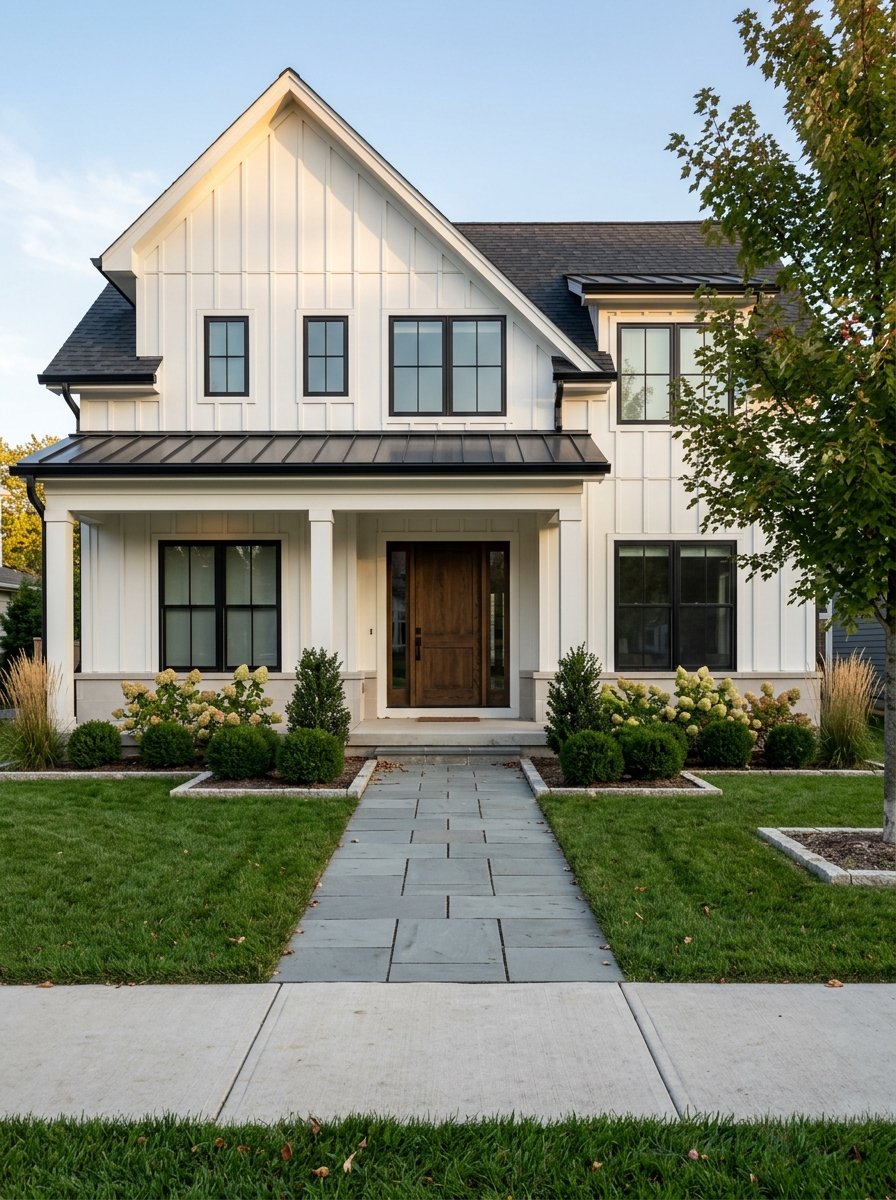
Comparing East Winnetka And In-Town Living
June 11, 2026
June 11, 2026
Choosing between East Winnetka and in-town living often comes down to one simple question: how do you want your days to feel? If you are drawn to quiet streets, shoreline proximity, and a more private residential setting, the east side may speak to you. If you want easy access to shops, parks, and the train, in-town Winnetka may fit your routine better. This guide breaks down the lifestyle, housing patterns, and day-to-day differences so you can compare both options with more clarity. Let’s dive in.
In Winnetka, “East Winnetka” is commonly understood as the village’s lakefront and eastern side, especially near Sheridan Road and the properties closer to Lake Michigan. Village materials highlight this area for its lake-facing homes and shoreline setting. It tends to feel more residential and more centered on the lake.
“In-town” Winnetka refers to the station-centered core around the village’s three business districts: Hubbard Woods, Downtown/Elm Street, and Indian Hill. These areas are anchored by Winnetka’s three Metra stations on the UP-N line. They offer a different rhythm, with daily convenience playing a larger role in how you move through the day.
If you picture your routine including lake walks, beach access, and a quieter residential atmosphere, East Winnetka may be the natural fit. The Winnetka Park District lists five beaches: Centennial, Elder Lane, Lloyd Beach and Stepan Family Boat Launch, Maple Street Beach, and Tower Road Beach. That network makes the lake a visible and practical part of everyday life on the east side.
This part of the village often appeals to buyers who want more separation from commercial areas and a stronger sense of retreat at home. The setting can feel calmer and more estate-like, especially on larger parcels and along the lake-facing corridors. For many buyers, the appeal is not just the home itself, but the setting around it.
In-town living tends to be shaped by convenience. The Village describes the Elm Street district as the main downtown hub, and planning documents note its complete street grid, sidewalk network, parking system, and Green Bay Trail access. That creates a more errand-friendly, stroll-friendly daily experience.
The village’s 2040 plan also describes Elm Street and Hubbard Woods as having traditional mixed-use architecture and a walkable pedestrian scale. Indian Hill is smaller in scale and more auto-oriented. If you value being able to move easily between shops, parks, and transit, in-town Winnetka may align better with your lifestyle.
Winnetka’s zoning helps explain why these areas feel different. Single-family districts range from R-5 to R-1, with minimum interior lot sizes from 8,400 square feet to 48,000 square feet and minimum lot depths from 120 to 300 feet. In practical terms, that supports a broad range of lot sizes across the village, with larger and more estate-oriented conditions often associated with the lakefront side.
Lakefront parcels are also subject to the Lakefront Preservation Overlay District and bluff regulations. That can make East Winnetka feel more protected, but it can also add complexity if you are considering an addition, renovation, or rebuild. If you are comparing homes here, it is wise to think about both the setting and the approval process tied to the property.
In-town Winnetka generally offers more housing variety near the business districts and Green Bay Road. The village’s comprehensive plan notes that attached townhomes account for a small share of total housing stock, with 111 units in 17 locations, or about 3% of residential stock. Those homes are dispersed around commercial districts and along Green Bay Road.
Multi-family housing is also located in and around the business districts as a transition between commercial areas and detached single-family homes. That means buyers looking in-town may find a broader mix of housing forms, especially compared with the more detached-home orientation of the east side. If flexibility matters to you, this can be a meaningful difference.
For recreation, East Winnetka has the clearest beach identity. The Park District map highlights lakefront destinations including Centennial Park and Beach, Maple Street Park and Beach, and Lloyd Park with its boat launch. If access to the shoreline shapes how you want to spend weekends and summer evenings, this side of town stands out.
That does not mean the east side lacks green space beyond the lake. It means the lakefront is a defining feature of the experience. Buyers who prioritize proximity to beaches and shoreline amenities often find this area especially compelling.
In-town Winnetka has a different recreational pattern, with strong access to parks tied into the village core. The Park District map includes Hubbard Woods Park, Indian Hill Park, Station Park, and West Elm Street Park among the inland options. These spaces often connect more naturally to a day built around walking, errands, and transit.
The Green Bay Trail also runs parallel to the UP-N line and directly next to the business districts. That adds another bike-and-walk corridor to the in-town lifestyle. If you enjoy being able to combine outdoor time with daily convenience, this setup can be especially attractive.
Winnetka has three Metra stations: Hubbard Woods at 1065 Gage Street, Indian Hill at 111 Green Bay Road, and Winnetka at 754 Elm Street. The Village notes that these stations provide service to the West Loop via Ogilvie Transportation Center. For many households, that makes in-town living the more practical choice for regular commuting.
The village also designates commuter parking around the stations and publishes separate public parking maps for Downtown, Hubbard Woods, and Indian Hill. That level of parking organization reflects how central walkability and train access are to the in-town districts. If your weekly routine includes regular train use, proximity here may carry real value.
East Winnetka can still offer access to the village’s broader amenities, but daily logistics may look different depending on where you live. In many cases, the tradeoff is straightforward: you gain a stronger lakefront or near-lake setting, and you may give up some of the immediate walk-to-train or walk-to-shop convenience found in-town.
That is not a drawback for every buyer. For some, it is exactly the point. A quieter, more private environment may matter more than being a few blocks from a station or business district.
The best comparison is usually not abstract. It is personal. Are you more beach-centered or errand-and-train-centered?
East Winnetka may be the better fit if you value:
In-town Winnetka may be the better fit if you value:
When you tour homes in Winnetka, it helps to look past square footage and finishes at first. Pay attention to how each location would shape your mornings, afternoons, and weekends. The strongest long-term fit usually comes from matching the home to your routine, not just your wish list.
For luxury buyers especially, both East Winnetka and in-town Winnetka offer compelling options. The difference is often less about which area is “better” and more about which setting supports the way you want to live. A well-informed comparison can save time and lead to a more confident decision.
If you are weighing East Winnetka against in-town living, a tailored local perspective can make the choice much clearer. Jena Radnay offers discreet, high-touch guidance for buyers and sellers navigating Winnetka’s most distinctive homes.
Stay up to date on the latest real estate trends.


Jena Radnay, and the focus of her real estate business, is all about people. Radnay’s love for real estate, houses, marketing, and people have allowed her business to grow organically, albeit explosively, in large part from referrals from her extensive network of contacts and connections.
Let's Connect