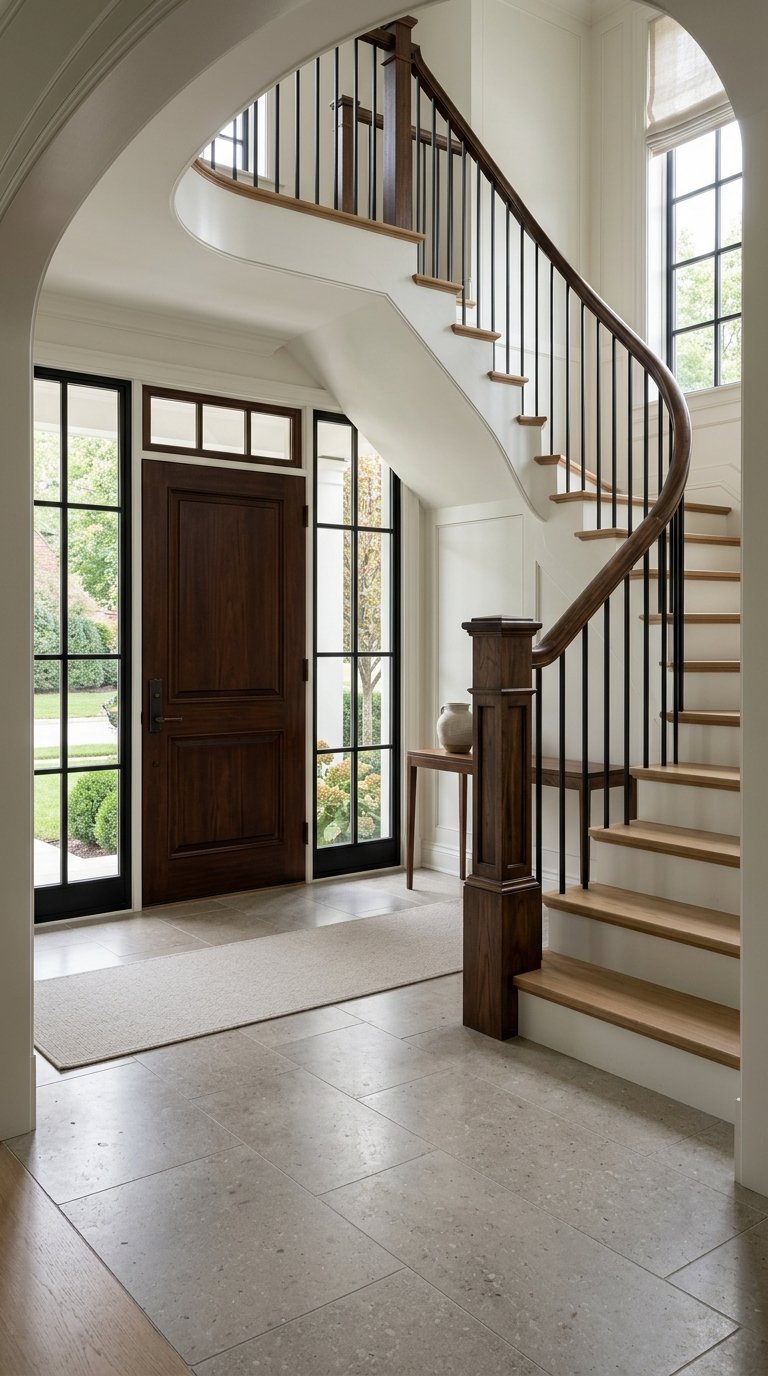
Kenilworth Luxury Real Estate Market Trends for 2026
May 28, 2026
May 28, 2026
If you are trying to buy or sell in Kenilworth right now, one fact matters more than any headline: this is a very small luxury market with very little room to expand. That can make the process feel intense, especially when only a handful of homes are available and one or two sales can change the story from month to month. The good news is that when you understand how Kenilworth works, you can make smarter decisions with more confidence. Let’s dive in.
Kenilworth is structurally different from many other North Shore markets. According to the Village, it covers just six-tenths of a square mile, or 384 acres, and it has no undeveloped land remaining. In practical terms, that means most housing opportunities come from existing homes changing hands, not from new subdivisions appearing.
The village’s land use also helps explain why supply remains limited. The built environment is defined primarily by detached single-family residences and open space, while the Green Bay Road corridor is the only meaningful area identified for commercial and multifamily redevelopment. For luxury buyers and sellers, that means the market is shaped far more by turnover, renovation, and occasional rebuild activity than by large-scale new inventory.
The latest market snapshots all point in the same direction: inventory is thin. MRED’s April 2026 update showed 9 new listings, 6 closed sales, and just 8 homes for sale at month-end. Zillow’s April 30, 2026 snapshot showed 11 homes in for-sale inventory, while Realtor.com’s March 2026 page reported 20 homes for sale.
Those counts do not match exactly because each platform uses different definitions and timing windows. Still, the broader takeaway is clear. Kenilworth has a very small active market, and even a slight change in listing or closing activity can shift the numbers quickly.
That same pattern showed up from March to April 2026. MRED reported 7 new listings and 1 closed sale in March, then 9 new listings and 6 closed sales in April, while inventory remained in single digits to low double digits depending on the source. In a market this compact, one month should never be read in isolation.
Luxury pricing in Kenilworth can look confusing if you only glance at one number. In MRED’s April 2026 report, the monthly median sales price was $2.075 million, while the trailing 12-month median sales price was $2.35 million and the trailing 12-month average sales price was $2.67 million. Those are all useful figures, but they do different jobs.
The monthly number can swing sharply because there are so few sales. The trailing 12-month numbers usually offer a steadier view of value and market direction. In a market with limited inventory and high-end properties, that broader lens often gives you a more reliable foundation for planning.
It is also important to understand how wide the price range can be. The Village reported that in 2024, 31 single-family homes sold with an average sale price of $1,771,649, and prices ranged from $500,000 to $4.2 million. As of April 30, 2025, listed single-family properties ranged from $725,000 to $7,695,750.
That spread matters. In a tiny luxury market, one exceptional closing can pull the average well above the middle sale price. That is why careful comparable selection matters so much, especially for estate-level homes, landmark properties, or homes with major renovation or rebuild potential.
Even at higher price points, serious buyers should expect a relatively short decision window when the right property appears. MRED’s April 2026 report showed an average market time of 17 days for the month, and Redfin reported an average of 19 days on market in March 2026. In other words, opportunities can move in weeks, not months.
That does not mean every home sells instantly. It does mean that well-positioned listings can attract attention quickly in a market where choices are limited. If you are waiting for the perfect home in Kenilworth, preparation often matters more than prediction.
For sellers, speed does not replace strategy. It reinforces it. When buyers have only a small number of options, presentation, pricing, and timing still shape how much urgency your listing creates.
Kenilworth’s numbers suggest that deep discounts are not the norm for properly priced homes. MRED’s trailing 12-month data in April 2026 showed sellers receiving 99.0% of original list price. Realtor.com reported a 98% sale-to-list ratio in March 2026, while Redfin noted that homes sell about 1% below list on average.
Taken together, those figures paint a consistent picture. Buyers may negotiate, but the market generally rewards accurate pricing and strong positioning rather than aggressive overpricing followed by major cuts. In a luxury market, disciplined pricing often protects both leverage and momentum.
This is especially important because platform labels can be misleading. One source may call Kenilworth somewhat competitive, while another may label it a buyer’s market. Those descriptions reflect different methodologies, not necessarily different realities on the ground.
In many markets, buyers and sellers spend a lot of time trying to time the calendar. In Kenilworth, readiness is often more important than waiting for a certain month. Because inventory is so limited and the sample size is so small, market conditions can shift quickly even when the bigger structure stays the same.
The Village’s long-range data underscores that point. Kenilworth had 785 occupied housing units and 31 single-family residential sales in 2024. While those figures are not perfectly comparable, they still suggest relatively limited annual turnover.
The local permit activity tells a similar story. In 2024, the village reported 3 permits for replacement homes and 13 permits for additions. That is a useful sign that change in Kenilworth usually happens through renovations, additions, and teardown or rebuild activity, not through major new-home expansion.
If you already know Kenilworth is your target, preparation should happen before the right listing arrives. In a market with only a small number of active homes, hesitation can cost you options.
A strong buyer plan usually includes:
For luxury buyers, the key is not simply moving fast. It is being ready to move decisively when a property fits your goals.
If you are considering a sale, a tight market can create real advantages, but only if your strategy is precise. Limited supply does not automatically guarantee the best result. Buyers at this level tend to be informed, selective, and sensitive to pricing and presentation.
A strong seller approach usually includes:
In Kenilworth, the market often rewards thoughtful preparation over reactive decision-making.
Kenilworth’s tight luxury housing market is not just a seasonal story. It is a structural one. The village is fully built out, inventory is limited, and pricing can look volatile in the short term because there are so few transactions.
That is why the smartest approach is usually the simplest one. If you are buying, be prepared before the right home surfaces. If you are selling, focus on disciplined pricing, polished presentation, and a strategy built for a small, high-value market.
When you need a clear read on a market this nuanced, local experience and careful execution matter. If you are considering a move in Kenilworth or anywhere on the North Shore, connect with Jena Radnay for a private consultation.
Stay up to date on the latest real estate trends.

Jena Radnay, and the focus of her real estate business, is all about people. Radnay’s love for real estate, houses, marketing, and people have allowed her business to grow organically, albeit explosively, in large part from referrals from her extensive network of contacts and connections.
Let's Connect