Relocating From Chicago To Winnetka For Schools And Space
May 21, 2026
May 21, 2026
Wondering if moving from Chicago to Winnetka will actually give you the school path and extra space you want? For many families, that question is not just about a new address. It is about how your home choice shapes daily life, from elementary school assignment to commute routines to the amount of land and privacy you gain. This guide will help you think through those pieces clearly so you can make a more confident move. Let’s dive in.
Winnetka sits less than 20 miles north of Chicago, but the lifestyle shift can feel meaningful. The village describes itself as a 3.81-square-mile North Shore community with three small shopping districts anchored by Metra stations. That gives you a setting that is more suburban in form while still connected to the city.
For many Chicago buyers, the appeal comes down to two priorities: a defined public school pathway and more room at home. In Winnetka, those two goals are closely linked because school assignment is tied to address, and housing varies by lot size, location, and zoning district.
If schools are driving your move, the first thing to understand is that Winnetka is not a one-school decision. It is a district pathway that starts with your home address and continues through high school. That structure matters when you compare homes.
Winnetka Public Schools District 36 serves kindergarten through 8th grade. According to the district, kindergarten through 4th grade students attend Crow Island, Greeley, or Hubbard Woods, while 5th and 6th grade students attend The Skokie School and 7th and 8th grade students attend Carleton Washburne School.
District 36 also directs families to verify elementary school assignments by address. That means if you are narrowing down homes, you should treat school verification as part of the home search, not as something to check after you go under contract.
For families coming from Chicago, this setup often feels more structured than choosing among many separate options. Your child’s early elementary assignment depends on the property address, and then the district transitions students into shared middle grade campuses.
The district also describes its kindergarten program as play-based and experiential. If you are comparing educational settings, that can be a useful detail as you think about fit and day-to-day school culture.
After 8th grade, students in Winnetka are served by New Trier Township High School District 203. The district states that 9th grade is housed at the Northfield Campus, while grades 10 through 12 attend the Winnetka Campus.
New Trier District 203 includes Winnetka along with Glencoe, Kenilworth, Wilmette, and portions of Northfield, Glenview, and Northbrook. For a relocating family, the practical takeaway is simple: when you buy in Winnetka, you are usually buying into a clearly defined K-8-to-high-school progression tied to that property.
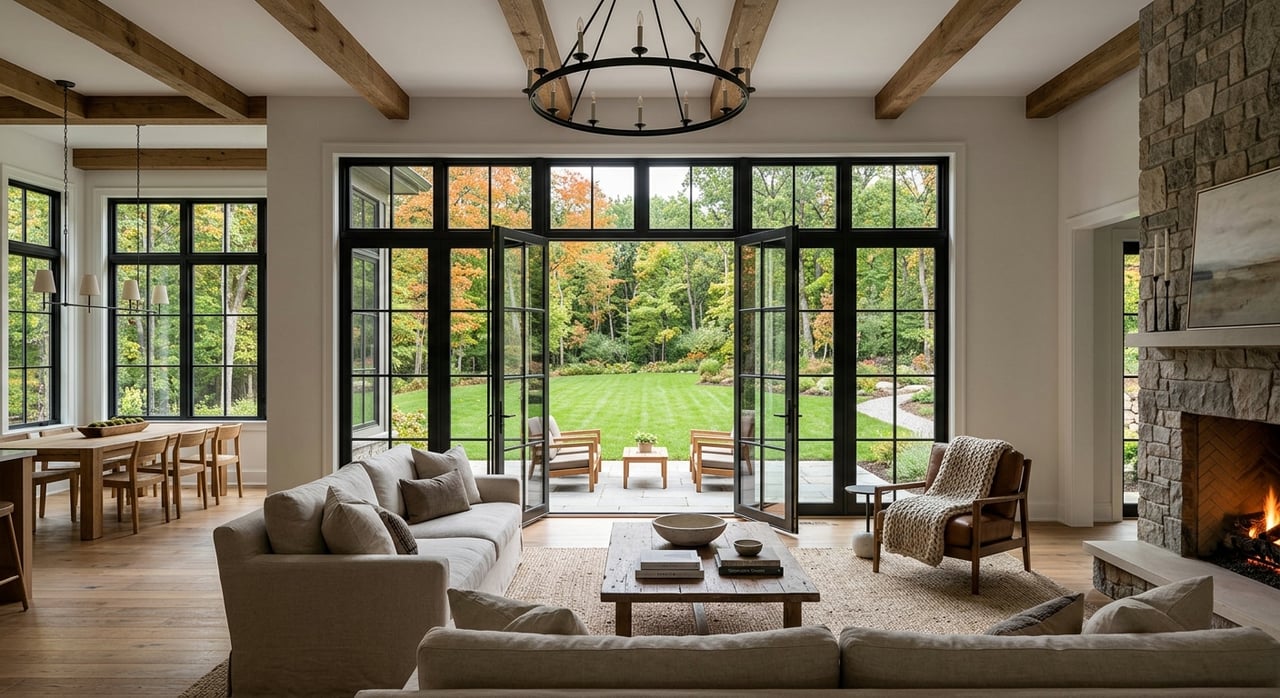
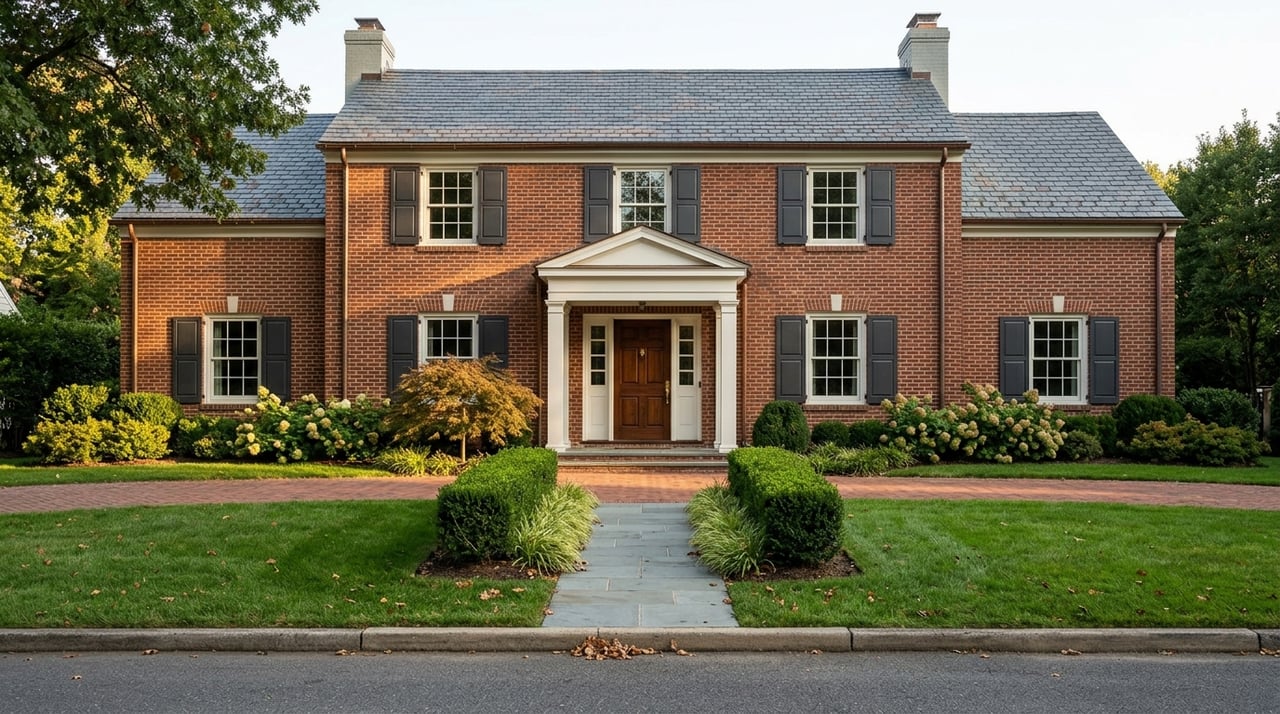
Many Chicago buyers use the phrase “more space,” but in Winnetka that can mean several different things. It may mean a larger lot, more distance between homes, broader lawns, or simply a lower-density street pattern than you are used to in the city.
The village zoning framework helps explain that difference. Winnetka has five single-family residential districts and two multifamily residential districts, which supports a lower-density suburban environment rather than a dense city grid.
The official zoning map shows a wide range of minimum interior lot sizes for single-family districts:
That range is important because not every home offers the same kind of space. Some properties may feel more in-town and compact, while others offer substantially more land. If your goal is a larger yard, greater privacy, or room for a different home layout, lot size should be part of your search criteria from the start.
Census QuickFacts also show how different the housing profile is from Chicago. Winnetka’s owner-occupied housing unit rate is 92.0%, compared with 46.0% in Chicago. The median owner-occupied home value is $1,337,800 in Winnetka, compared with $334,100 in Chicago.
Those numbers do not tell you what any one home will look like, but they do highlight the broader shift. In practical terms, buyers moving from Chicago are often stepping into a more ownership-heavy market with more land and a very different residential pattern.
One reason Winnetka works for many professionals is that it remains rail-connected to downtown Chicago. The village says the Union Pacific North line provides frequent daily service to the West Loop via Ogilvie Transportation Center, along with northbound service to Kenosha.
Winnetka has three Metra stations on that line:
The village also notes that its downtown is organized around three small shopping districts anchored by those stations. In day-to-day life, that makes rail access a central part of how many residents move through the village.
If one or more adults in your household still commute into Chicago, station access should be part of your home search. The right fit for you may be a walk-to-train location, or it may be a home where driving and parking at the station makes more sense.
The Metra station page for Winnetka lists the station as Zone 3 and notes 255 parking spaces. That detail can help if you are weighing whether your routine is more likely to be park-and-ride rather than a short walk from home.
Winnetka also offers Pace bus connections. Route 423 links the Winnetka Metra station with Washburne and Skokie schools and also connects to Purple and Blue Line options. Route 213 runs between Evanston’s Davis Street Purple Line station and Northbrook Court, with stops near New Trier.
For many families, the practical reality is mixed transportation. Rail may still support a Chicago work commute, but school drop-off, activities, errands, and winter weather can still make a car part of everyday life.
A move from Chicago to Winnetka is usually not just a housing decision or just a school decision. It is a combined choice about district assignment, commute patterns, and the kind of residential setting you want. Asking the right questions early can save you time.
Start with the questions that most directly affect your day-to-day routine:
These are practical questions, but they are also market questions. In a village with multiple residential tiers and distinct station areas, the right home is often the one that best aligns all three priorities: school pathway, commute fit, and space.
If you are relocating from Chicago, it helps to search with clear filters rather than broad assumptions. Not every Winnetka home is a large estate, and not every address will feel equally convenient for the same school or train routine.
A smart search usually starts with the non-negotiables. For some buyers, that is elementary assignment. For others, it is lot size, walkability to a Metra station, or a specific style of home. Once those priorities are clear, your options become easier to compare.
For affluent family buyers, this is where local guidance matters most. A polished listing can show you finishes and square footage, but it takes market knowledge to understand how one block may differ from another in terms of lot pattern, station access, and overall fit for your daily routine.
If you are considering a move for schools and more space, the goal is not simply to leave Chicago. The goal is to land in the part of Winnetka that works best for how you actually live.
If you are planning a move to Winnetka and want discreet, highly tailored guidance on neighborhoods, home search strategy, and luxury buying opportunities, Jena Radnay can help you navigate the market with clarity and confidence.
Stay up to date on the latest real estate trends.
Jena Radnay, and the focus of her real estate business, is all about people. Radnay’s love for real estate, houses, marketing, and people have allowed her business to grow organically, albeit explosively, in large part from referrals from her extensive network of contacts and connections.
Let's Connect