Architectural Styles That Define Winnetka Luxury Homes
June 4, 2026
June 4, 2026
If you have ever driven through Winnetka and felt like every standout home tells a different story, you are not imagining it. This village has no single luxury look. Instead, Winnetka’s most memorable homes reflect a wide mix of preserved architectural styles, especially along the lakefront and Sheridan Road corridor, where design, setting, and legacy often come together in one property. If you are buying, selling, or simply trying to understand what gives these homes their lasting appeal, this guide will help you read the architecture more clearly. Let’s dive in.
In Winnetka, architecture is more than curb appeal. The Village identifies historic and architecturally significant homes as a preservation priority, and local rules can extend demolition delay up to 270 days for qualifying properties. The Village also allows a potential 20% maximum building-size bonus for certain qualifying historic properties, which shows that design value has real local weight.
That matters when you look at luxury homes here. A property’s style can shape how it feels from the street, how it lives over time, and what kind of upkeep you should expect. In a market like Winnetka, buyers are often judging more than size or finishes. They are also looking at authenticity, materials, and how well the home fits its site.
One of Winnetka’s defining strengths is variety. The village’s landmark inventory includes Gothic Revival, Queen Anne, Colonial Revival, Georgian Revival, Tudor Revival, French Revival, French Eclectic, Federal, Swedish Arts & Crafts, and French Neoclassical examples.
That range gives Winnetka a layered luxury identity. Rather than one formula, the market is shaped by recurring architectural vocabularies that have remained visible across generations. For you as a buyer or seller, that means style is often a key part of value perception.
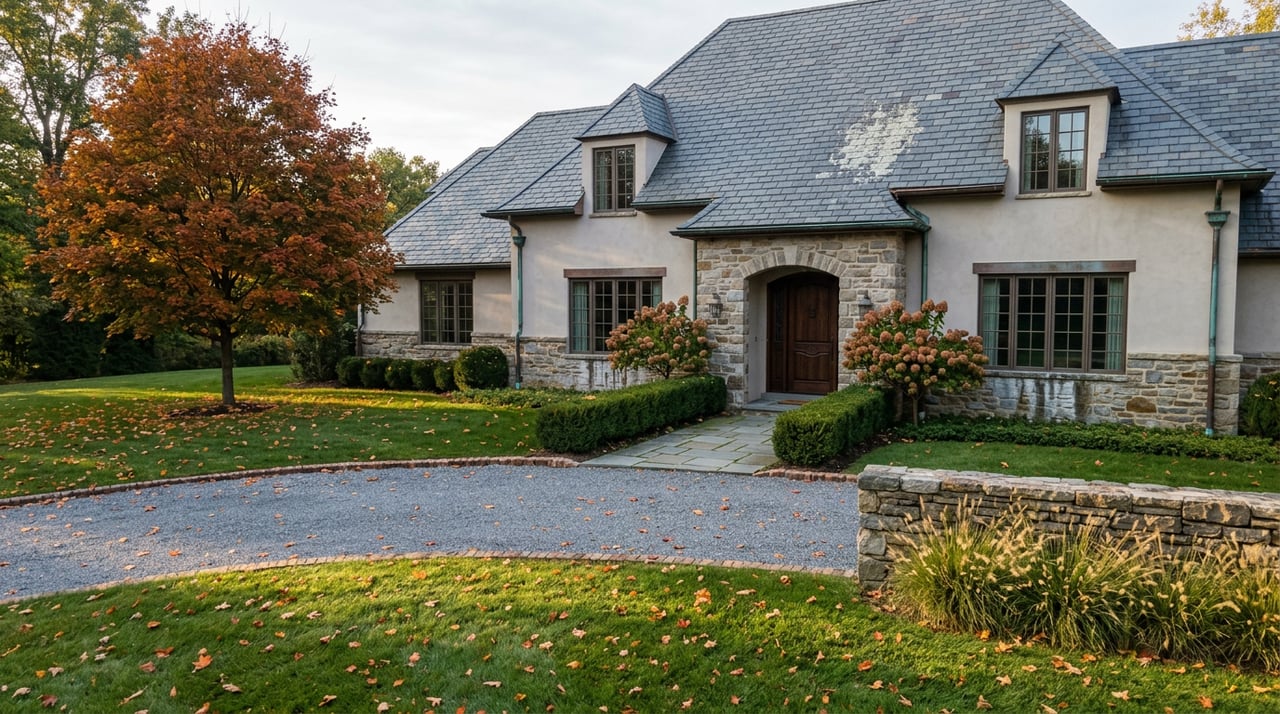
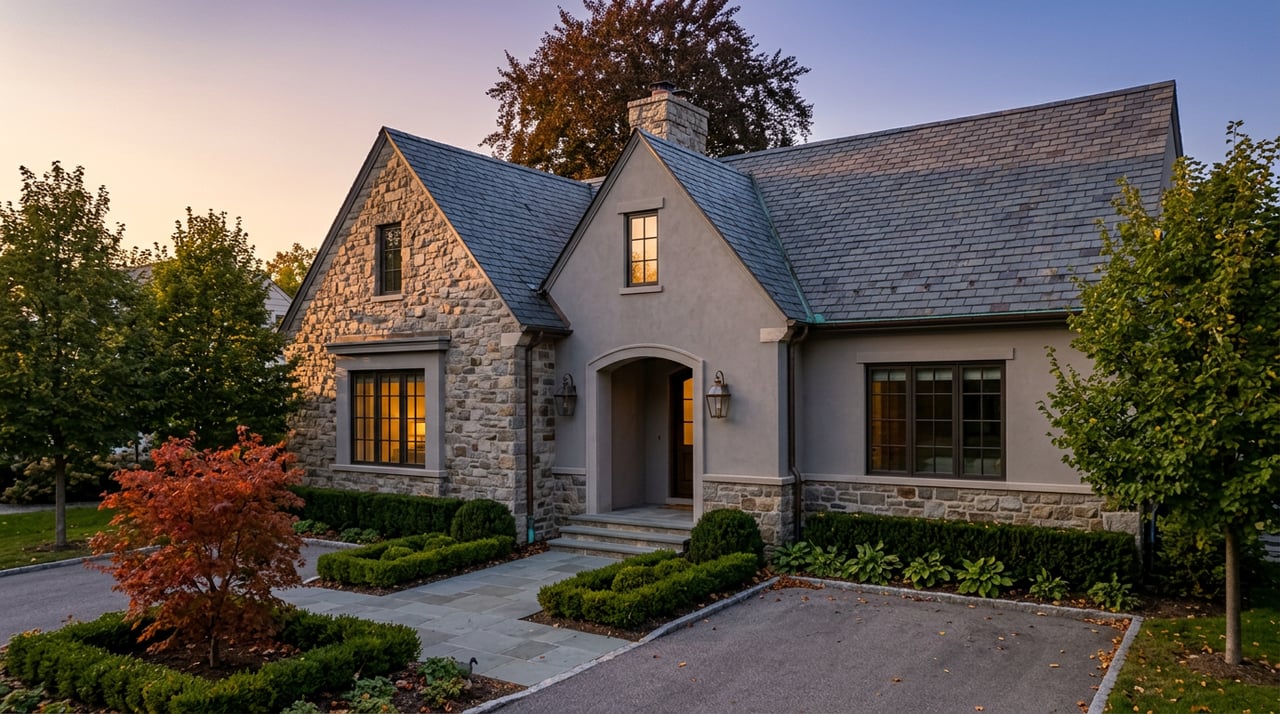
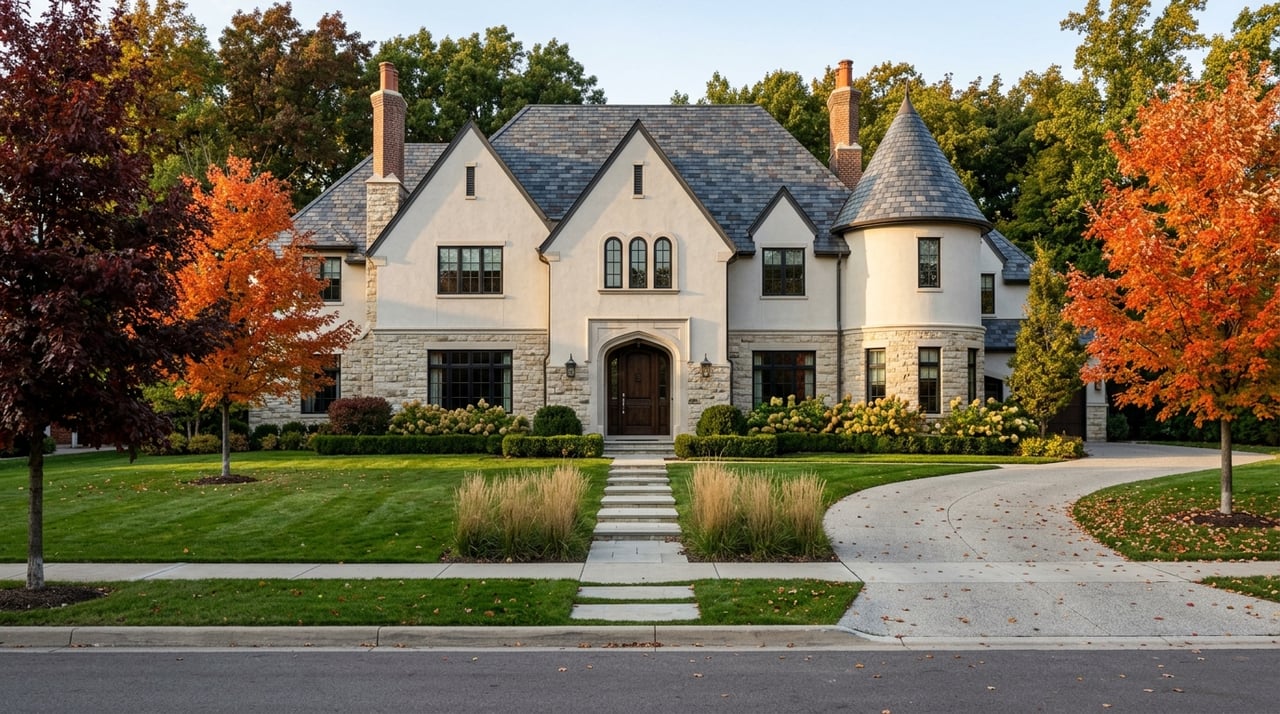
If one style defines Winnetka luxury homes most clearly, it is Tudor Revival. The Village’s design guidelines describe English Tudor as the most prominent local style, and the Winnetka Historical Society notes that Tudor Revival became the village’s most pervasive style after changing the built environment around the turn of the 20th century.
This style tends to deliver the kind of curb appeal people remember. It feels established, detailed, and visually rich without needing grand scale to make an impression. In Winnetka, Tudor homes often carry a strong sense of identity from the moment you see them.
Common Tudor markers in Winnetka include:
These elements create the classic storybook look many buyers love. They also give the exterior more texture and complexity than simpler architectural forms.
That complexity can come with more specialized upkeep. Based on local design descriptions, mixed materials, intricate rooflines, leaded glass, and decorative details may require more careful stewardship over time.
If you are evaluating a Tudor home, it helps to pay close attention to roof condition, masonry, windows, and exterior trim. A well-preserved Tudor often feels special because the original design language is still intact.
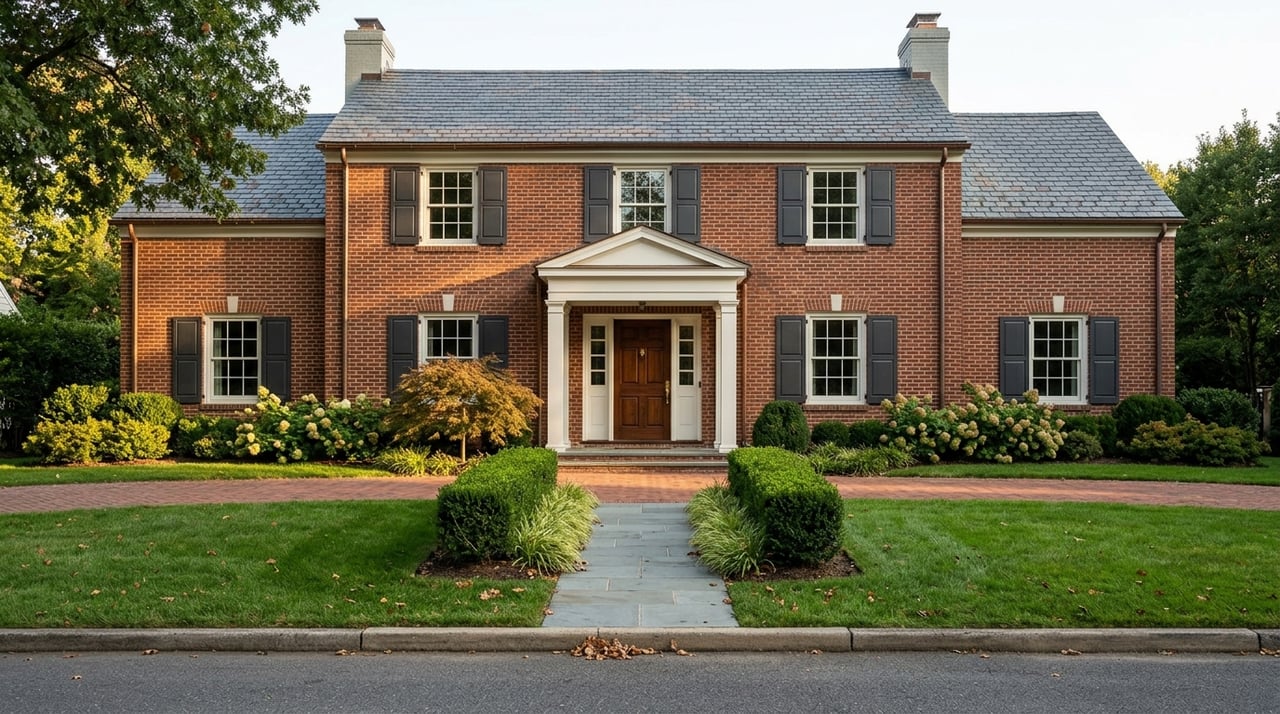
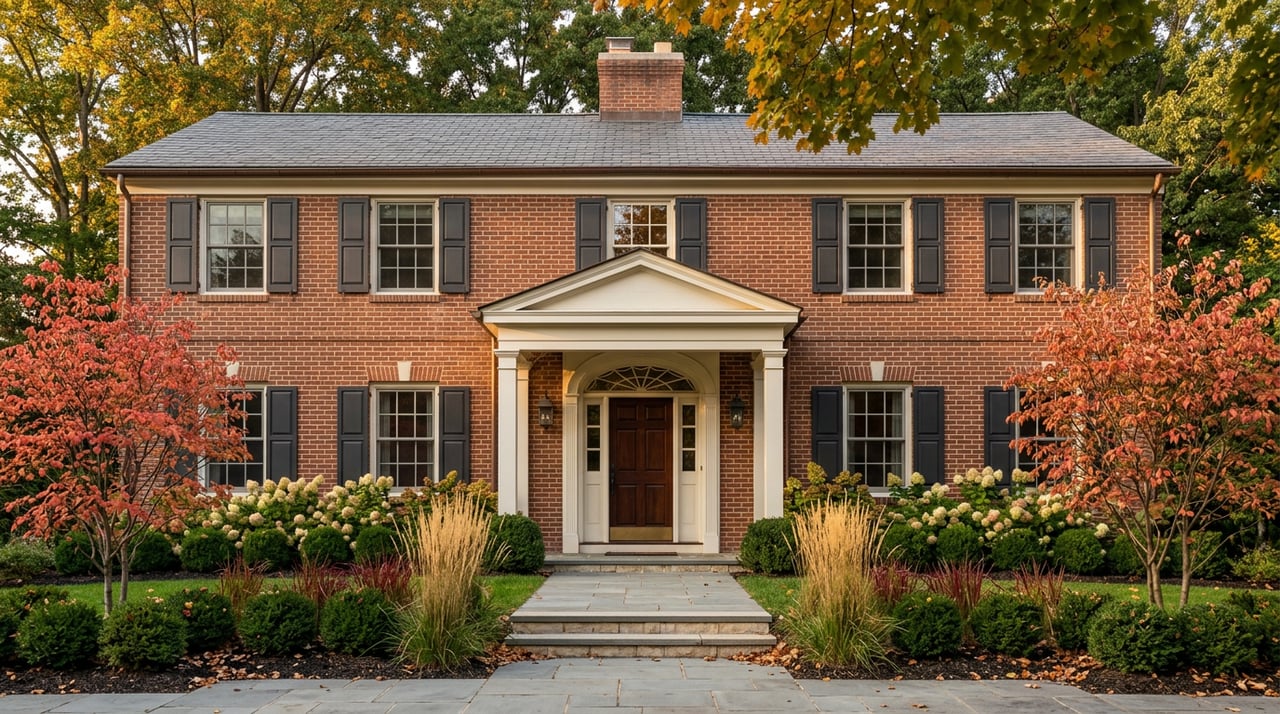
Colonial Revival is one of the most common styles in the village, alongside Tudor. The Winnetka Historical Society describes these homes as typically rectangular and symmetrical, often finished in wood, brick, or shingle, with classically detailed entries and double-hung windows.
For many buyers, Colonial Revival feels familiar in the best way. It is orderly, balanced, and easy to read from the street. That timelessness is a major reason these homes continue to appeal across generations.
Georgian Revival takes that same sense of symmetry and gives it a more formal expression. Winnetka’s design guidelines highlight brick construction, limestone trim, divided-light windows, and classical detailing as important parts of the local Georgian vocabulary.
These homes often project quiet confidence. They tend to feel substantial rather than flashy, which can be especially appealing in a luxury market where restraint often reads as sophistication.
Because these styles rely heavily on masonry and proportion, condition matters. Brick, limestone, windows, and classical trim all play a big role in whether the architecture still feels authentic and well cared for.
Compared with more ornate revival styles, Colonial and Georgian homes may feel more straightforward to maintain. Even so, quality restoration and material stewardship remain important to long-term value.
Winnetka’s lakefront corridor is especially known for estate-scale homes influenced by continental European design. A Sheridan Road compound at 181, 191, and 199 Sheridan Road includes striking examples of Mediterranean Revival, French Normandy, and Tudor Revival architecture within one larger ensemble.
That example helps explain the local luxury landscape. Along the lakefront, architecture often becomes more expressive, with rooflines, ornament, and masonry details that are meant to create a strong visual presence.
In Winnetka, French and Mediterranean markers may include:
These details can give a home immediate distinction. They also help a property feel tied to an estate tradition rather than a standard luxury formula.
These homes often stand out because they feel highly composed and visually memorable. Their appeal usually comes from expressive architecture, rich materials, and a stronger sense of drama than more restrained styles.
At the same time, those same details can mean more specialized roof, masonry, and window work as the home ages. If you are evaluating one of these properties, craftsmanship and preservation quality deserve close attention.
Winnetka’s older housing stock adds another layer to the village’s luxury character. The Winnetka Historical Society points to late-19th-century Victorian homes, a Victorian-era Gothic Revival example at 411 Linden, and a Spanish Colonial Revival home at 767 Mount Pleasant Road with stucco walls, barrel-tile roofs, and decorative wrought iron.
The Village’s landmark list also includes Swedish Arts & Crafts and Queen Anne examples. These homes may be less common in the luxury conversation, but they often attract buyers who want something more distinctive and less formulaic.
In many cases, their value comes from originality, craftsmanship, and preservation. If you are drawn to homes with architectural personality and a strong sense of history, these styles can offer exactly that.
Winnetka is not only a village of revival architecture. The Walter T. Fisher house at 949 Fisher Lane was described by the Historical Society as aggressively modern, with no applied ornament and a functional plan. The Village’s design guidelines also recognize contemporary architecture as part of Winnetka’s broader architectural vocabulary.
That gives the market more range than many buyers expect. You can find homes here that lean into clean lines, simpler forms, and a stronger connection between indoor and outdoor space.
Modernist markers in Winnetka may include:
These homes can feel especially compelling on large sites, where architecture and landscape work together. In luxury settings, that relationship can be just as important as the house itself.
One of the most important ideas in Winnetka luxury real estate is that some homes are not just houses. They are complete compositions. The Historical Society describes 480 Oak as a remnant of the Benjamin Allen Estate reborn as a lakefront home, and the Sheridan Road compound at 181, 191, and 199 was originally conceived as a landscaped ensemble with multiple buildings.
That matters because elite properties here often gain value from more than square footage. Elements like terraces, formal gardens, coach houses, and lake orientation can shape how a home is experienced. In Winnetka, the relationship between architecture and landscape is often part of what makes a property truly exceptional.
If you are scanning listings or preparing a home for market, a few style clues can help you quickly understand what you are seeing.
These terms can help you look past finishes and focus on the architecture itself. In Winnetka, that often leads to a better understanding of long-term value.
In a village with so many preserved homes, authenticity matters. Original roof shape, windows, masonry, half-timbering, and landscape relationships all affect whether a home still reads as its intended style.
That does not mean a home must be untouched. It means updates tend to feel strongest when they respect the original design. In Winnetka’s upper tier, the homes that stand out most are often the ones where architecture, materials, and setting still work together clearly.
Whether you are buying a Sheridan Road estate, evaluating an in-town landmark, or preparing a distinctive property for sale, understanding architectural style can sharpen every decision you make. If you want a discreet, informed perspective on how design, site, and market positioning come together in Winnetka luxury real estate, Jena Radnay can help you navigate the process with precision.
Stay up to date on the latest real estate trends.
Jena Radnay, and the focus of her real estate business, is all about people. Radnay’s love for real estate, houses, marketing, and people have allowed her business to grow organically, albeit explosively, in large part from referrals from her extensive network of contacts and connections.
Let's Connect